






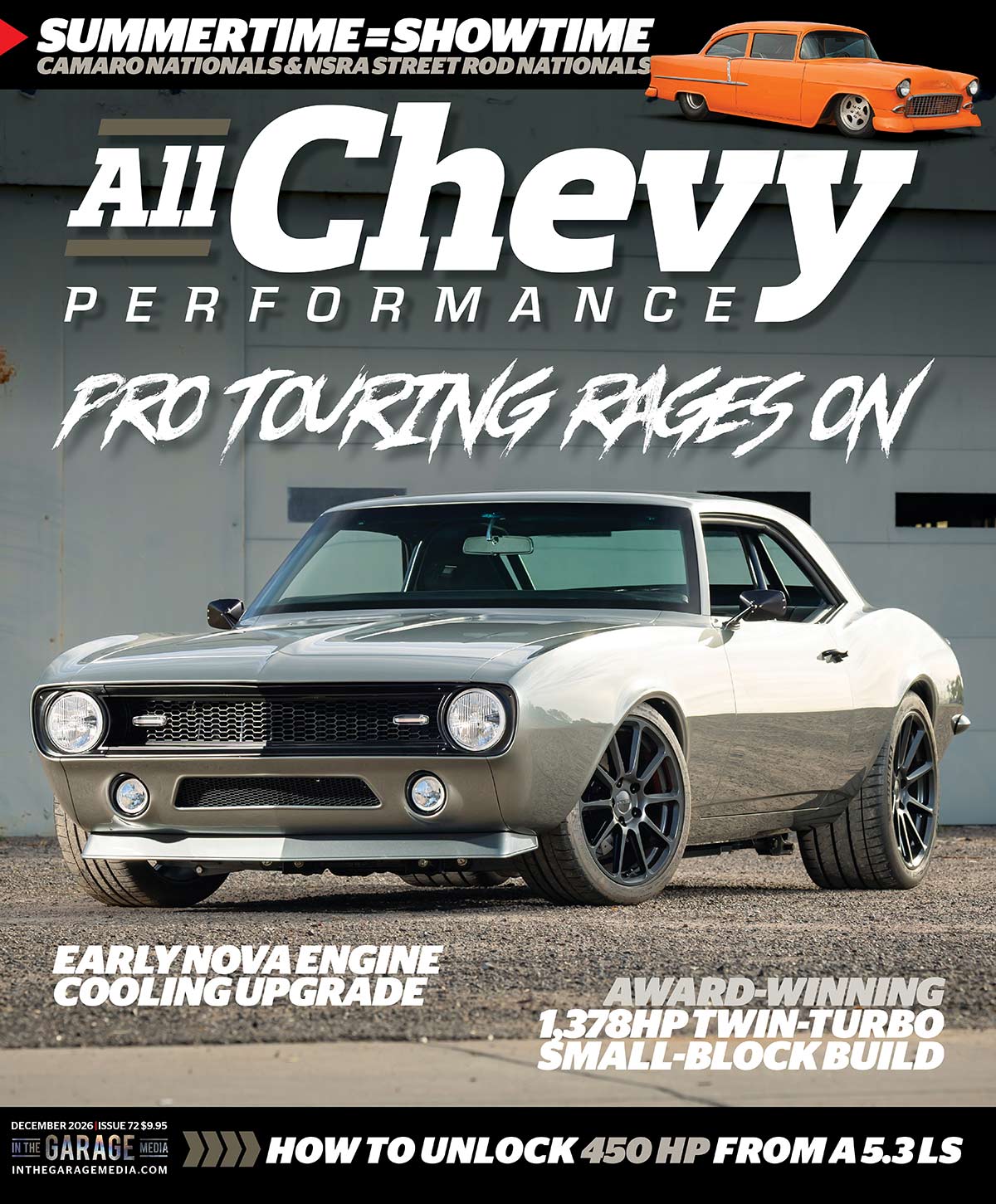
Cooling Upgrade
1,378hp Twin-Turbo
Small-Block Build

Preview Issue




 TOC








“Rotten” Rodney Bauman, Jefferson Bryant, Tommy Lee Byrd, Ron Ceridono, Ron Covell, Grant Cox, Fuelish Media, John Gilbert, Tavis Highlander, Jeff Huneycutt, Barry Kluczyk, Scotty Lachenauer, Patrick Lauder, Jason Lubken, John Machaqueiro, Ryan Manson, Jason Matthew, Josh Mishler, NotStock Photography, Todd Ryden, Jason Scudellari, Jeff Smith & Chuck Vranas
Travis Weeks Advertising Sales Manager
Patrick Walsh Sales Representative
ads@inthegaragemedia.com
AllChevyPerformance.com
ClassicTruckPerformance.com
ModernRodding.com
InTheGarageMedia.com
info@inthegaragemedia.com
Editorial contributions are welcomed but editors recommend that contributors query first. Contribution inquiries should first be emailed to info@inthegaragemedia.com. Do not mail via USPS as we assume no responsibility for loss or damage thereto. IN THE GARAGE MEDIA, INC. reserves the right to use material at its discretion, and we reserve the right to edit material to meet our requirements. Upon publication, payment will be made at our current rate, and that said, payment will cover author’s and contributor’s rights of the contribution. Contributors’ act of emailing contribution shall constitute and express warranty that material is original and no infringement on the rights of others.

Copyright (c) 2026 IN THE GARAGE MEDIA, INC.
PRINTED IN U.S.A.


Cleveland, OH
(216) 281-8777


 firing up
 BY NICK LICATA

ot rod enthusiasts are constantly practicing resilience in ways that others typically don’t understand. We all know when it comes to working on our long-term project or starting a new one, the plan is basically just a rough draft. Those “bolt-on” parts? More often than not, they’re anything but. Somewhere between opening the box and tightening the last fastener, the grinder comes out, the welder gets plugged in, and creative engineering enters the picture. That’s part of the deal.
Seasoned builders know the drill. They’ve learned that every vintage car has its own personality, complete with quirks, surprises, and tolerances that seem to exist solely to test your patience. A suspension upgrade that slips effortlessly into one 1971 Camaro might fight you every step of the way on another built the very same year. Sheet metal, trim, and driveline components should come with the disclaimer: results may vary.
That’s where resilience is born. Hot rodders don’t quit; they adapt. They fabricate. They figure it out.
Another form of resilience came into focus during my recent trip to the Goodguys Nationals in Columbus.
 PARTS BIN
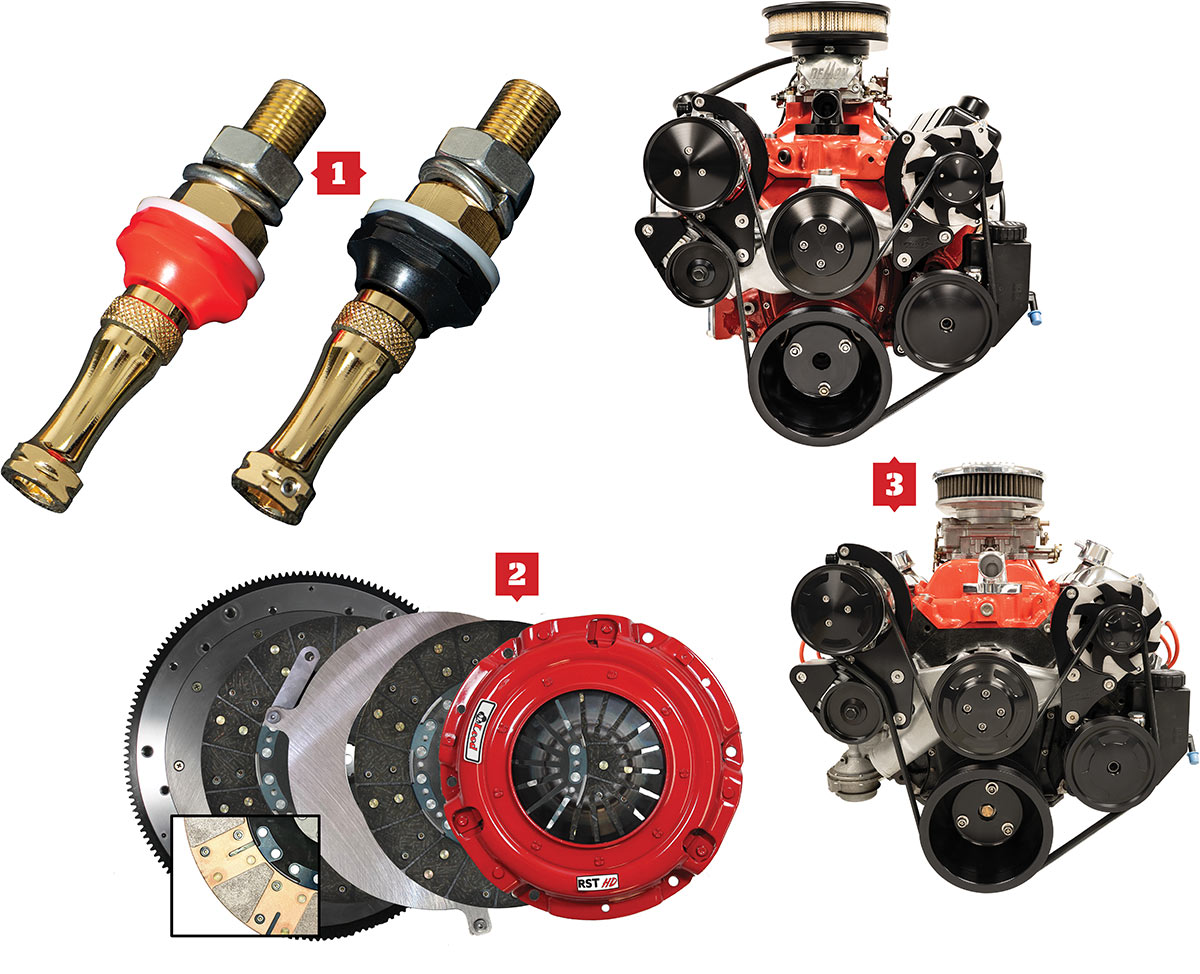

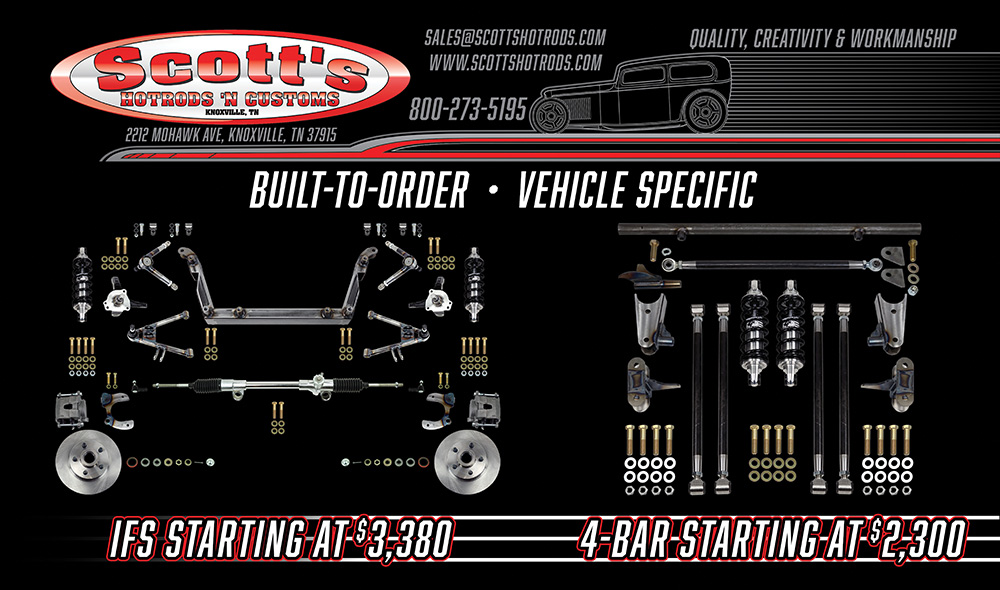
For more information, contact Scott’s Hotrods ’N Customs by calling (800) 273-5195 or visit scottshotrods.com.

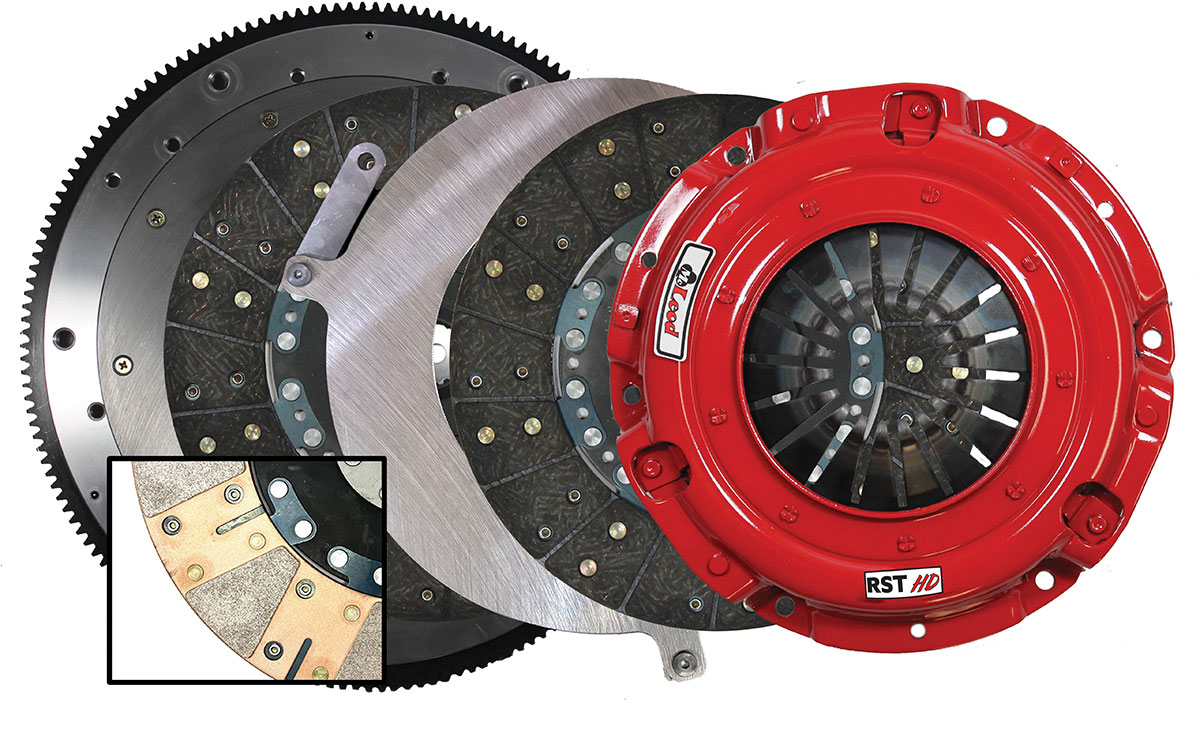
For more information, contact McLeod Racing by calling (714) 630-2764 or visit mcleodracing.com.

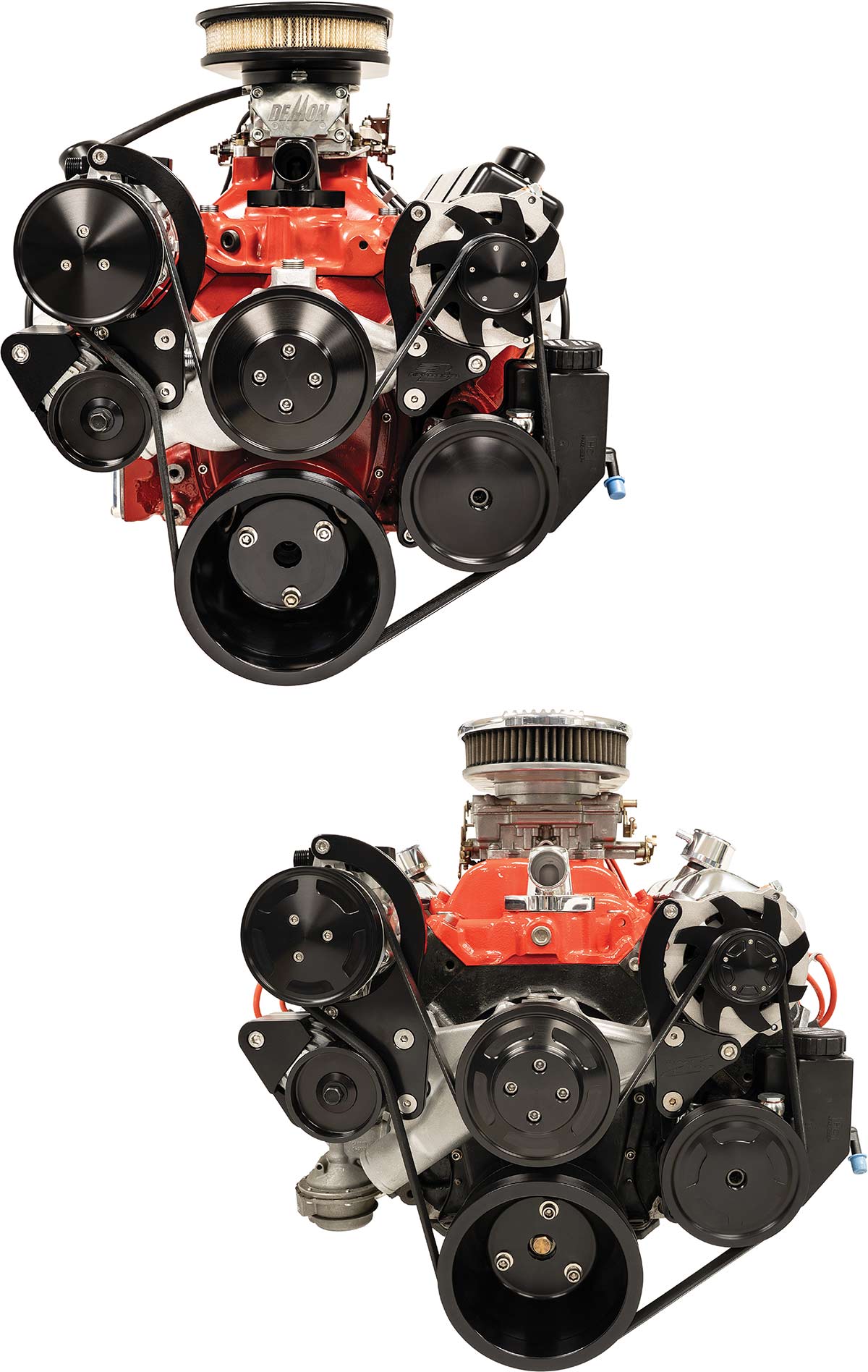
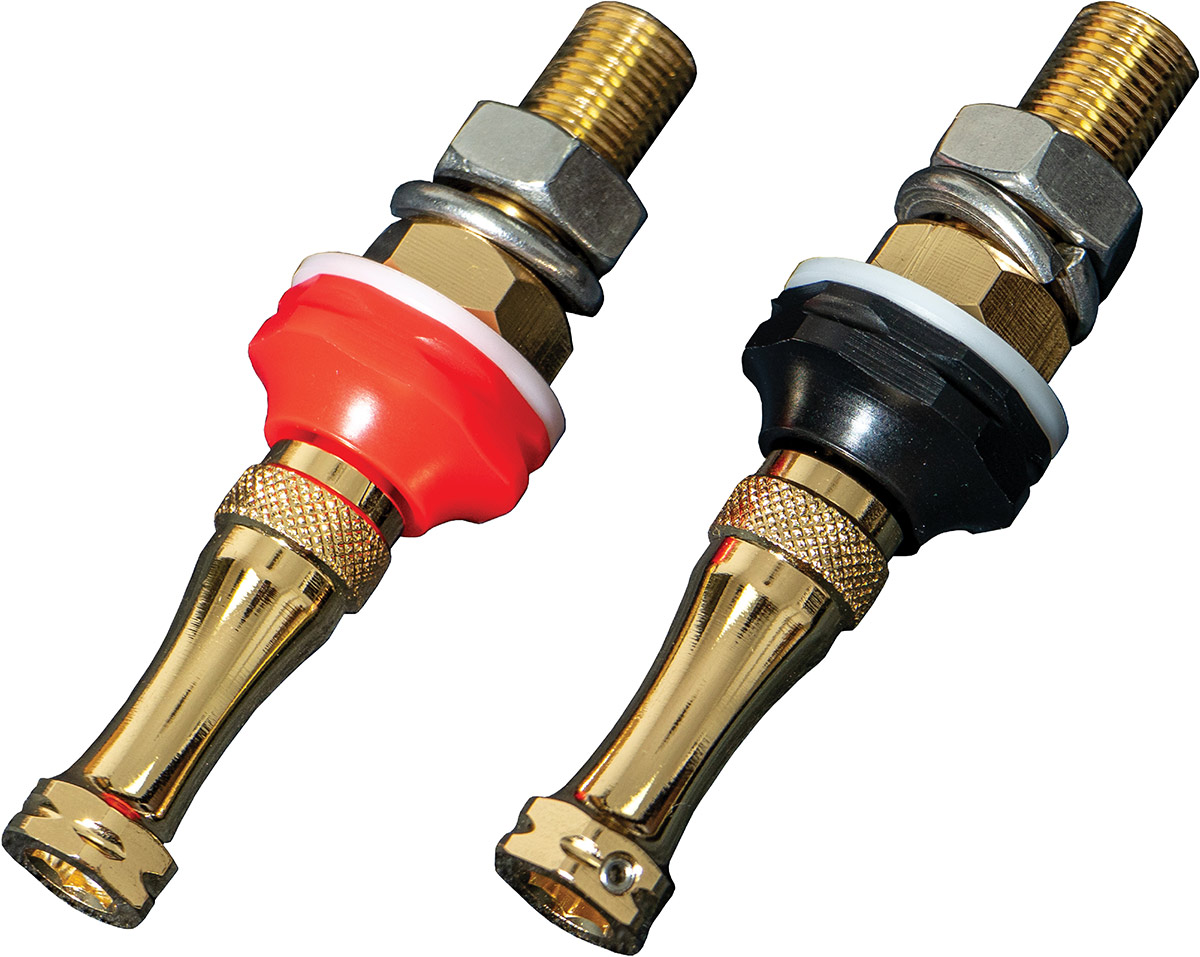
For more information, contact Billet Specialties by calling (877) 240-4182 or visit billetspecialties.com.

 CHEVY CONCEPTS


 Text & Rendering by Tavis Highlander
hose who’ve followed the many incredible builds from DSE will remember a blue third-gen Camaro dubbed the DSE-Z. That was their development vehicle, used to design a new line of suspension systems for third-gen Camaros. Fast-forward to this latest Camaro build, which will borrow all the knowledge learned from the DSE-Z and package it into a more refined level of build.
In addition to everything that DSE offers for third-gens, this Camaro will also get a major power upgrade. An NA 441LSX from Wegner Automotive will make it go, a T56 Magnum will select gears, and carbon ceramic ZR1 brakes will bring it all to a stop. Forgeline IR3C wheels keep the ’90s vibe in check and allow precise fitment for the new brake package. The body will remain fairly stock looking but will include some carbon bits here and there. The team is shooting for a refined yet aggressive build that raises the bar for these F-body cars.
 FEATURE

 IMAGES BY THE AUTHOR
avid Levin’s first car was a Camaro, and since then he’s never been able to shake the urge to buy another one. “As a young teenager, I went to a car show where I saw a 1968 Camaro that I fell in love with,” he fondly remembers. “The owner gave me a ride, and I immediately knew I had to have one. I bought a ’73 Camaro from my father’s friend, and I spent every day tinkering with it, but I eventually sold it after I got married and had kids. Over the years, I never really stopped thinking about that car.”
Fast-forward to the COVID-19 years when nothing seemed to make sense but, oddly enough, it helped put certain things back into perspective. “During that time, I had this vision of going back to my childhood and getting another ’73,” David says. “As I started looking and not really liking what I was seeing, I thought that I should just get the first-gen Camaro that I always wanted. I found a ’68 right here in Arizona and jumped in.”

 TECH
 IMAGES BY THE AUTHOR
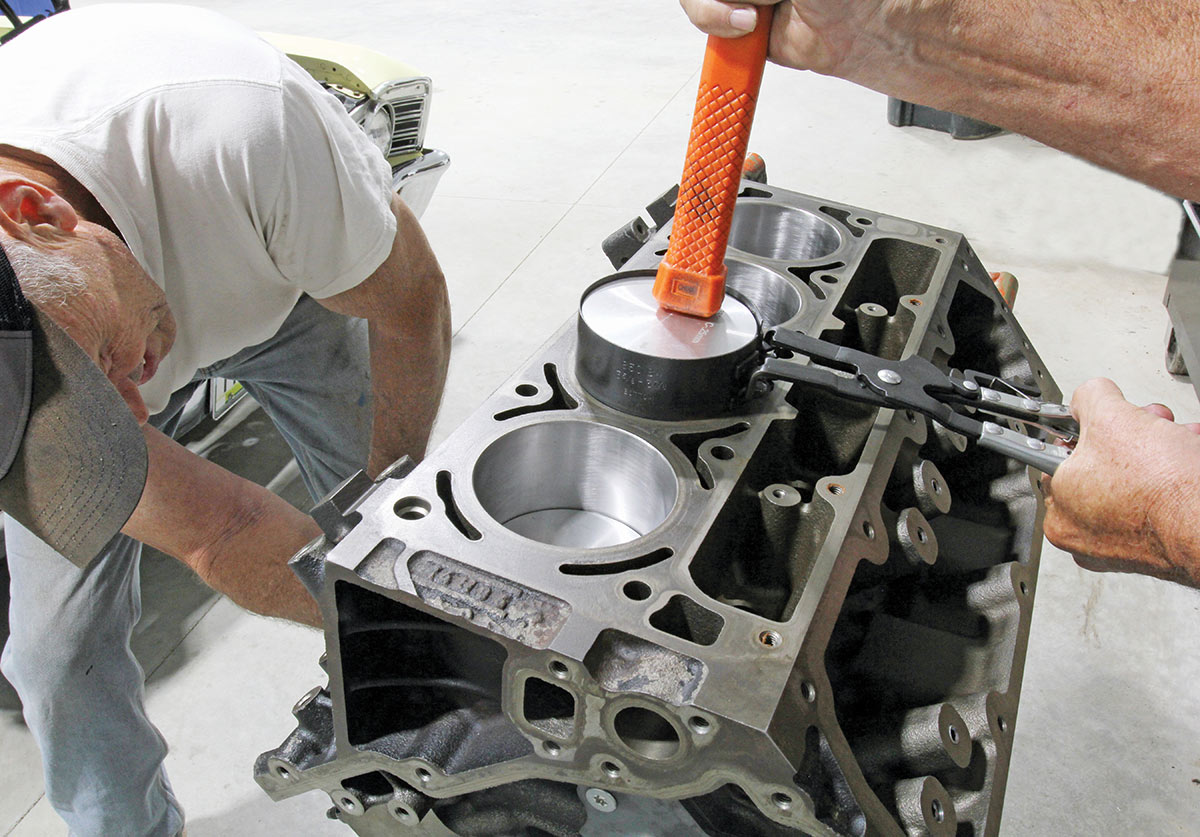
veryone and his uncle have a theory on how to build a street 5.3L LS, and we’re no different. Originally, we were just going to upgrade a Gen IV 5.3 by first deleting the Active Fuel Management (AFM) that we outlined in an earlier story for ACP. It didn’t take long for the plan to expand into rebuilding this engine because it was tired with 300,000 miles on the clock.
If you recall, our original story centered around a Scoggin Dickey Parts Center (SDPC) AFM delete kit that replaced the cam and added new LS7 lifters. SDPC’s own dyno testing showed that they could make 448 hp with their 5.7L LS6 Max cam in an otherwise-stock 5.3L engine using the Trailblazer SS (TBSS) intake manifold. A big reason we chose this cam was because SDPC priced it well under $400 that most LS roller cams command. Check it out for yourself, you won’t be disappointed.


 FEATURE IMAGES BY NOTSTOCK PHOTOGRAPHY

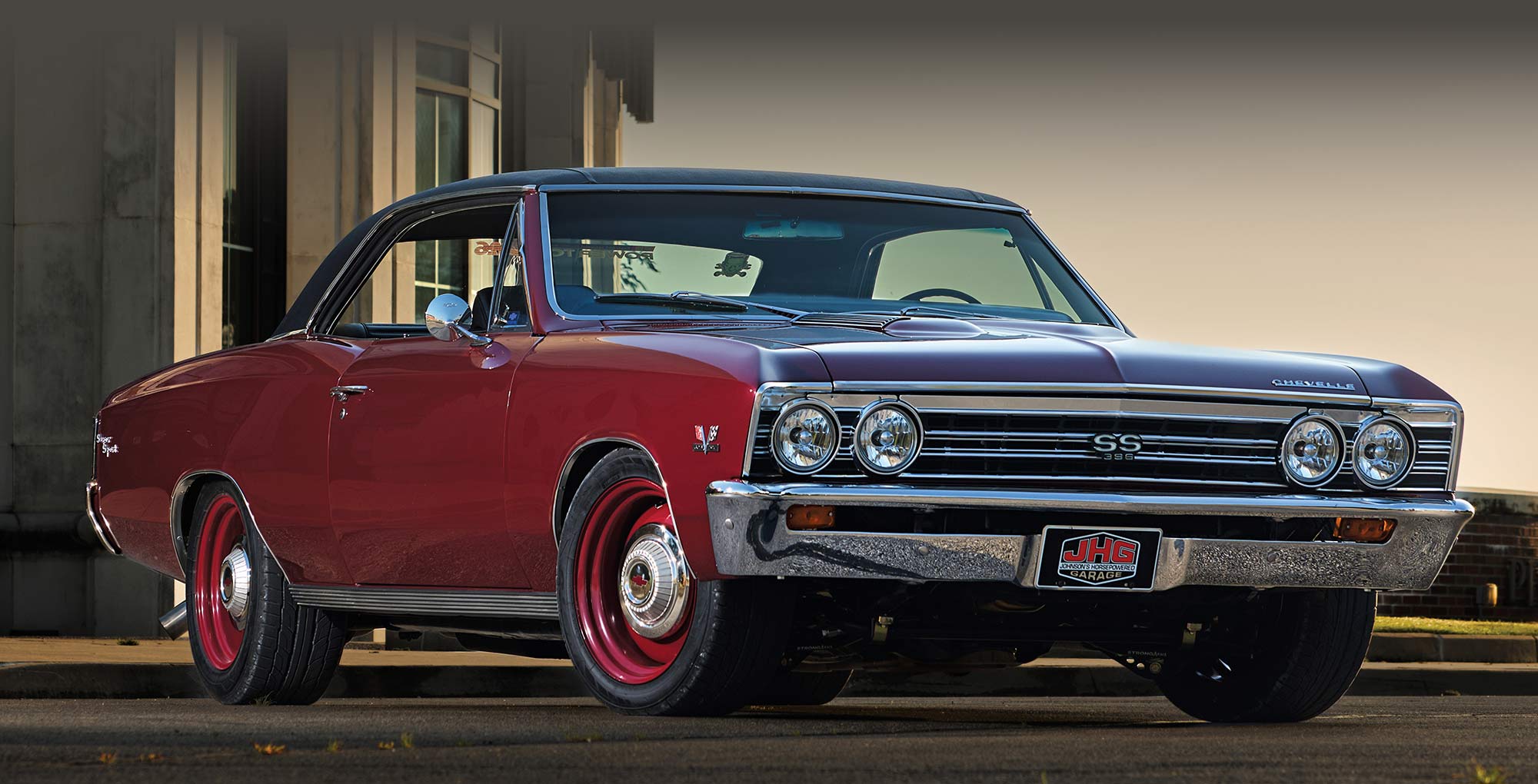
inding a 1967 Chevelle for $575 was not totally unheard of back in 1984. But that’s where the story on this car began for Frank Johnson. He rescued the car from a field in Sapulpa, Oklahoma. It had no engine or trans, but the SS hood showed decent pedigree and tons of promise.
The ability to see past the car’s current condition came naturally. Frank grew up around cars, thanks in large part to his father, who was an automotive mechanic by trade. Frank attended his first drag race when he was just 6 months old, and by the time he was 12 he was helping his dad tear apart carburetors. Following in his father’s footsteps seemed almost inevitable. Frank, for a time, became an auto mechanic himself, and today is an aircraft mechanic.
IMAGES BY NOTSTOCK PHOTOGRAPHY
 TECH
 IMAGES BY THE AUTHORS
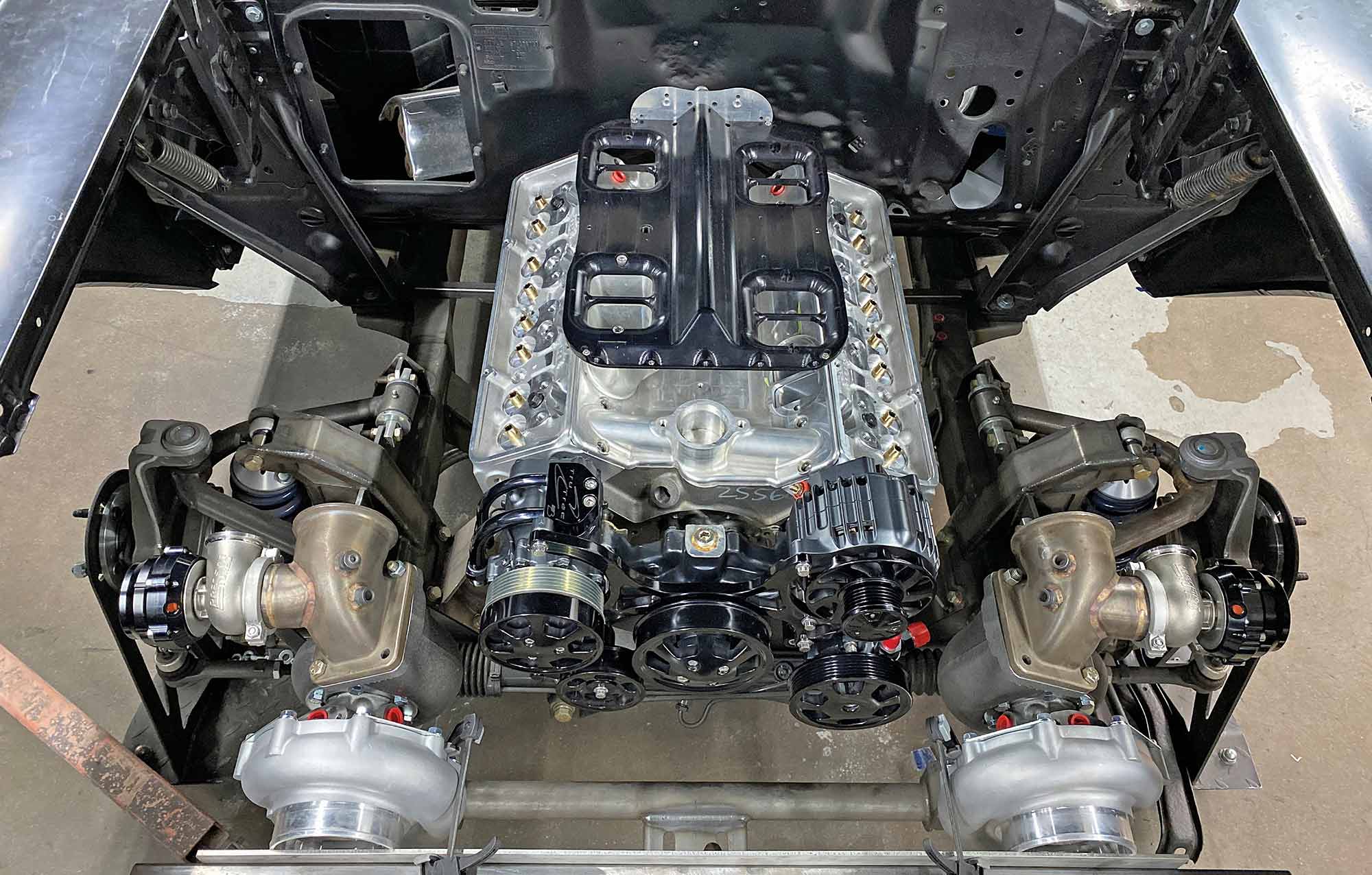
“In the case of the Keys’ Chevy we knew we were going with a twin-turbo 441ci Gen 1 small-block Chevy from Nelson Racing Engines, in nearby Chatsworth, California. We’ve worked with Tom Nelson several times in the past and he always delivers the goods. So that was our starting point, but I really wanted to eliminate the unsightly factory radiator assembly and lower that whole area so that the engine popped and became a real feature rather than be hidden behind the usual wall of the radiator.


 FEATURE IMAGES BY THE AUTHOR

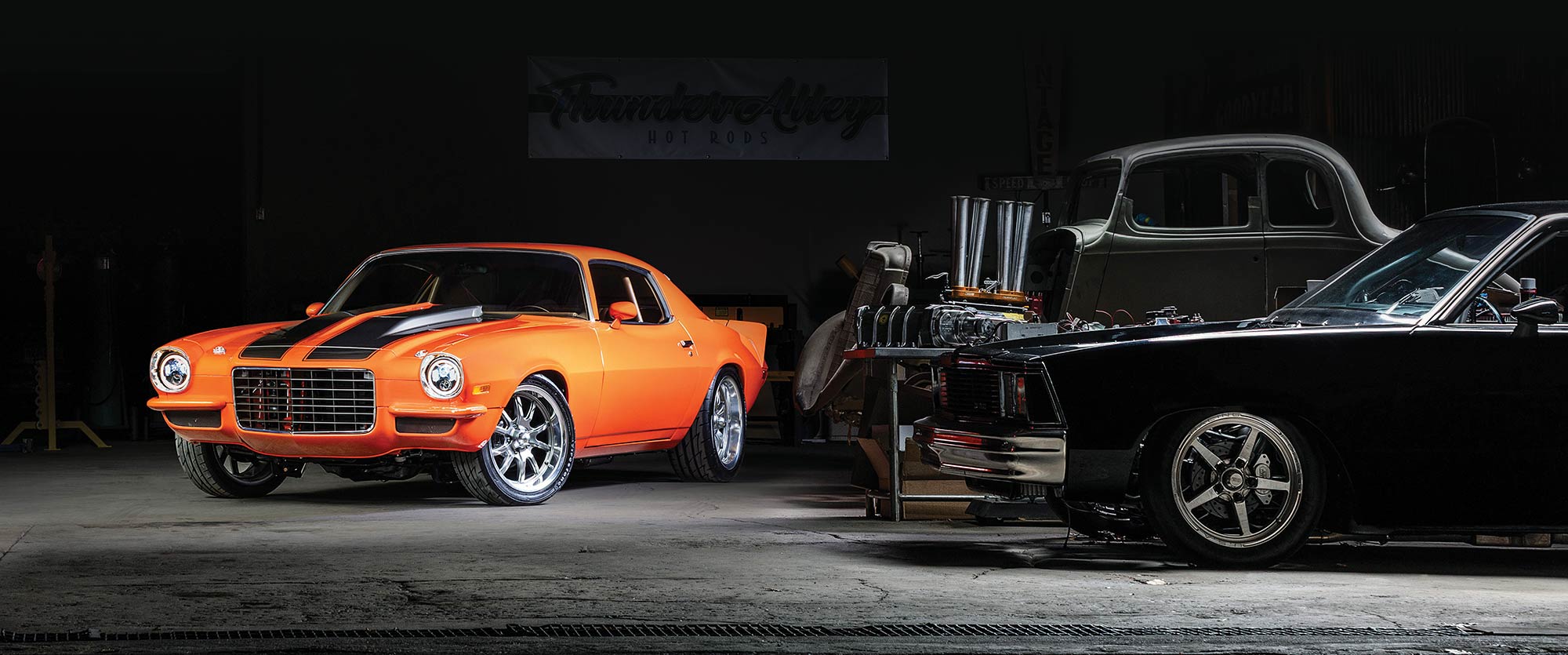
hen it comes to working on cars, having the necessary skills goes a long way toward achieving the results and quality you’re looking for. For Derek Widmann, restoring classic Corvettes has been a decades-long profession that has allowed him to hone those skills while working on his own projects, including this Pro Touring 1973 Camaro.
Beyond the shop, however, his greatest pride is being a father to three children. One dream that has always been close to his heart is sharing a father-and-son—or father-and-daughter—build, bringing a classic car back to life together from the ground up. To Derek, the experience is about far more than turning wrenches; it’s about passing down the values of hard work, patience, problem-solving, and the pride that comes from creating something with your own hands. He states, “I always wanted to build a car with each of my kids because I felt it would teach them a variety of different skills, including money management. They all grew up going to car shows and being around cars.”
 TECH
 IMAGES BY THE AUTHOR
hen our buddy and graphic designer extraordinaire Markas Platt originally reached out regarding the leaking radiator in his 1962 Chevy II, we recommended the traditional route: pull it out, take it to a reputable radiator shop, and have it leak tested and repaired. A seemingly simple fix and one that was once a common occurrence. Apparently, times change and it seems no radiator shop within a stone’s throw of his location wanted anything to do with it.
As we discussed replacement options, he also mentioned that the car tends to run hot at idle or low speed, especially in traffic. The lack of a fan shroud certainly wasn’t helping that situation, nor was the distance of the fan from the radiator. A simple plastic shroud and a fan spacer would solve that situation, but we opted to go a different route altogether.

 Feature
 IMAGES BY THE AUTHOR
othing fuels the process of building a custom car from the ground up more than the inspiration and help from family. There’s no level of ambition greater than that of a high-octane bloodline, and our recent meetup with Tony King, of Moreno Valley, California, only solidifies that statement. “I had ’55 Chevys while I was in high school back in the late 1960s,” he states. “My brother, Jeff, had a really cool and fast ’55, too! Growing up, our dad was always tinkering with cars and building dune buggies. Jeff and I were always helping, getting in the way, taking things apart, and putting them back together.”
This upbringing put Tony and his brother on the fast track to becoming lifelong horsepower fanatics. While this automotive foundation was as solid as could be, fate took hold of the wheel and veered off into an unforeseen direction. “My brother died an untimely death in 1970,” Tony reports to our dismay. “I always wanted to build a ‘memorial car’ to replicate the style and color of his. I only had one very poor-quality photograph of his old ’55 to work with, but once I retired, I was finally in a position to buy another decent-condition ’55—a four-door with an LS engine already in it.”
 TECH

 IMAGES BY NOTSTOCK PHOTOGRAPHY
n this second article on the 1956 Chevrolet built by Zrodz and Customs, we’ll take a closer look at the subtle yet extensive body modifications. From the outset, the goal was to preserve the car’s classic character while using the best of modern technology to refine every detail.
One of the first modifications was removing the driprails above the side glass. This change cleans up the roofline, giving the car the sleek profile the builders envisioned. Another refinement eliminated the “dip” at the top of the quarter-panel just behind the door. Most people don’t notice these changes immediately. Instead, the car simply looks right, and it often takes a closer inspection to realize just how much has been altered from the original design.
 EVENT
 IMAGES BY THE AUTHOR
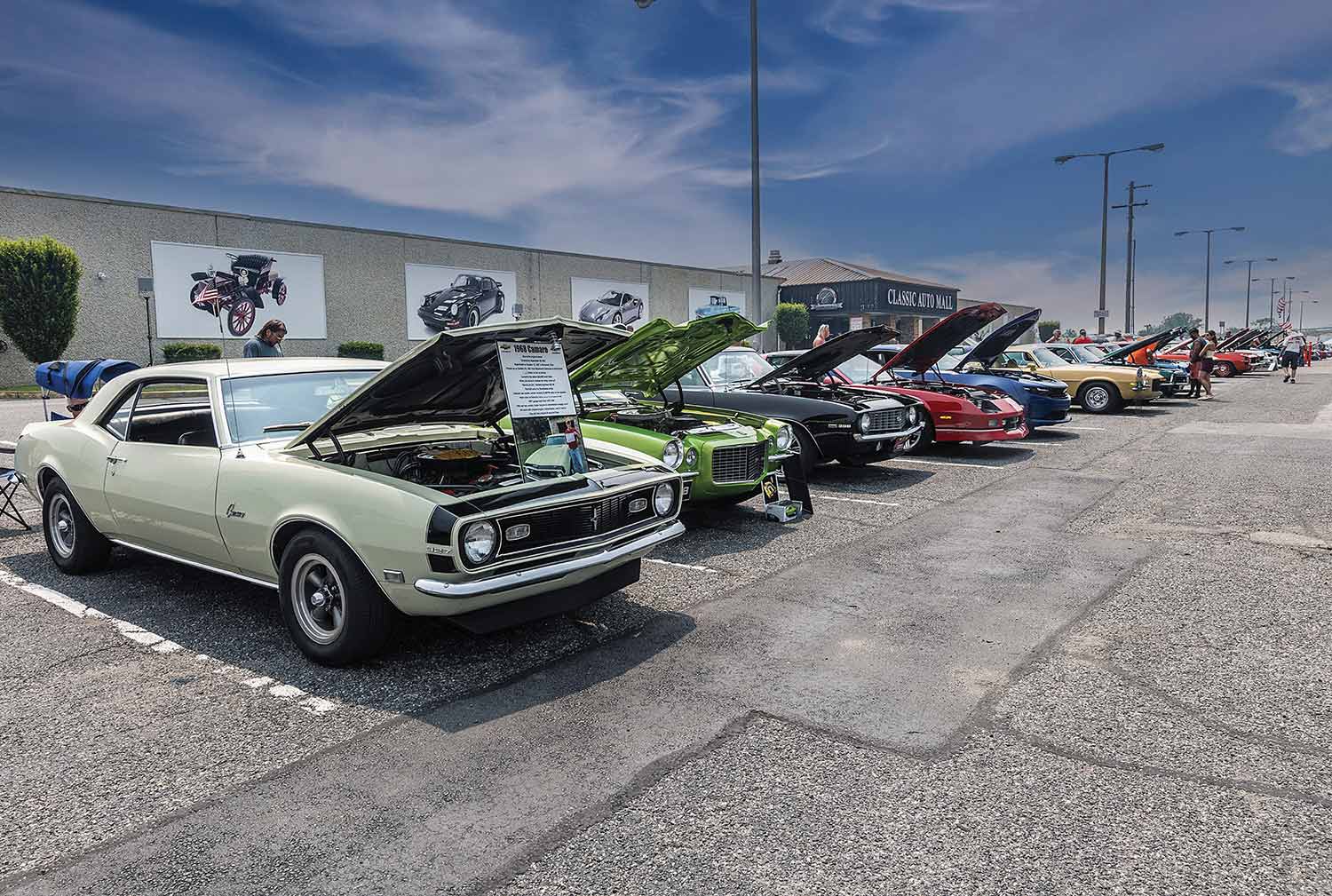
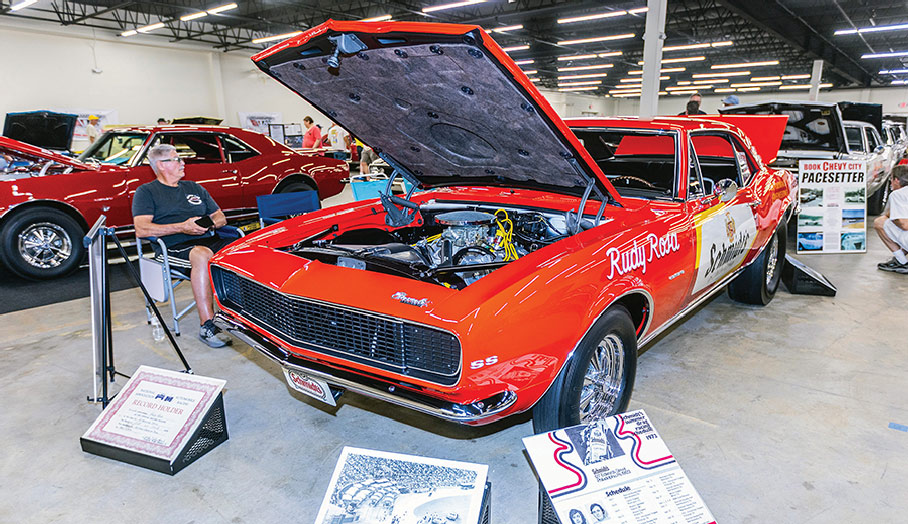
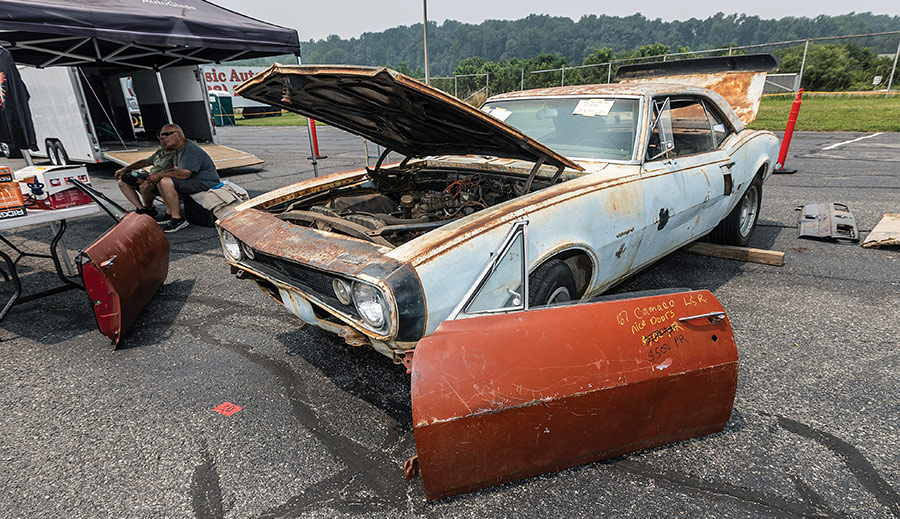
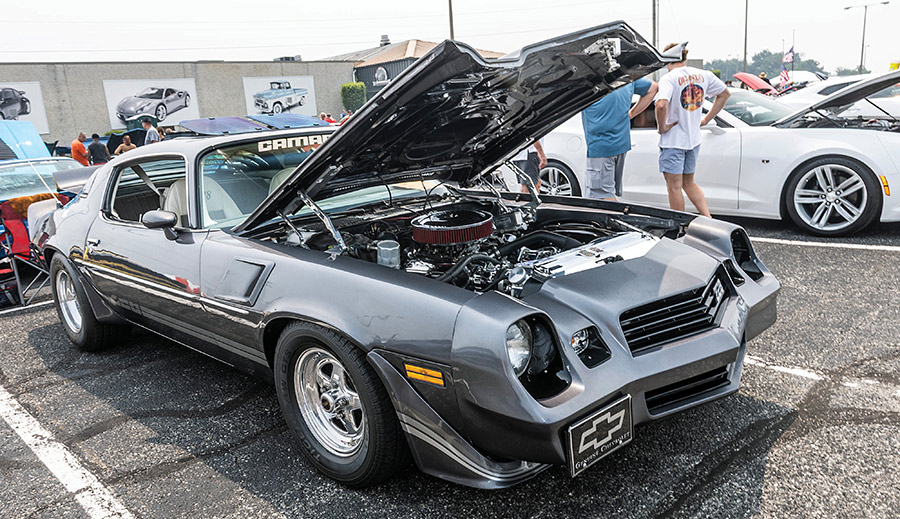
he 2026 Camaro Nationals are officially in the rearview mirror, adding another memorable chapter to the event’s successful history. Now in its 27th year, the show once again returned to the Classic Auto Mall in Morgantown, Pennsylvania, where the long-standing partnership continues to provide an ideal setting for one of the country’s premier Camaro gatherings. The combination of ample indoor and outdoor display areas, along with the convenience of the host hotel being directly connected to the Auto Mall, creates a venue that is both practical and enjoyable for participants, offering seamless access to the indoor exhibits and abundant exterior parking. As with many outdoor events across the Northeast during the summer months, however, unpredictable weather remained a concern. While periods of sunshine gave way to threatening skies throughout the weekend, the greatest challenge came Saturday morning when rain prompted some owners who typically drive their Camaros to the event to stay home. Even so, the final registered vehicle count reached 602, remarkably close to last year’s total of 610.
Organizers believe attendance would have been even stronger under more favorable conditions, while spectator turnout over both days surpassed every previous Camaro Nationals, continuing the event’s impressive growth in popularity.

 EVENT
 IMAGES BY THE AUTHOR
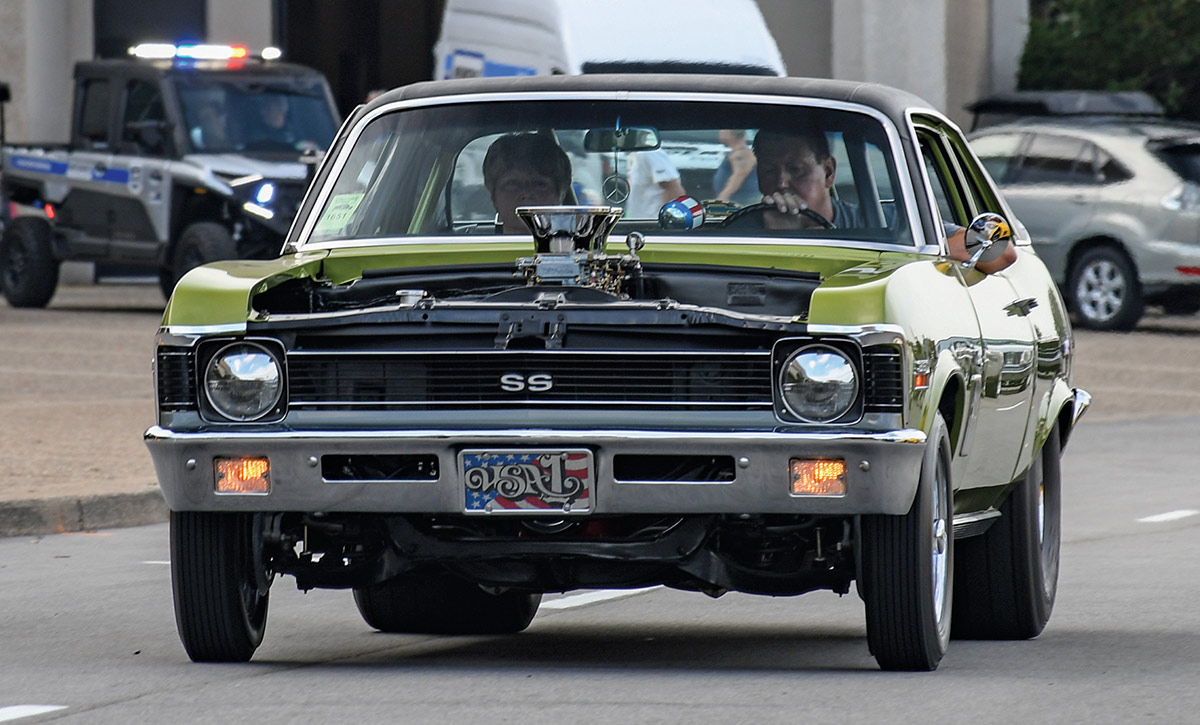
he variety of cars and trucks is always incredible at the NSRA Street Rod Nationals. This is due in part to the softening of the year cutoff for the event, as it operates on a 30-year sliding cutoff. About 15 years ago, the event was strictly street rods, meaning 1948 and earlier, and while there were some radical combinations that rolled into the Kentucky Expo Center in Louisville, the exclusion of muscle cars left it lacking for many gearheads. These days, you can expect to see a huge number of muscle cars on hand, and we captured some of the more radical Chevrolet combinations from the 2026 show.
Pro Street cars are always fun to watch as they cruise the fairgrounds and, of course, ground-pounding gassers are cool to see in motion. There were more than 8,000 vehicles registered for this year’s Street Rod Nationals, and there was a great selection of vendors and special display vehicles inside the vendor hall. Meanwhile, the swap meet had all the used parts and vintage speed equipment you could ever want.


Advertiser
- American Autowire9
- Art Morrison Enterprises29
- Auto Metal Direct47
- Automotive Racing Products11
- Borgeson Universal Co.21
- Classic Industries45
- Classic Performance Products4-5, 89, 92
- Dakota Digital91
- Detroit Speed55
- FiTech EFI77
- Forgeline Motorsports83
- Golden Star Classic Auto Parts7
- Goodguys Rod & Custom Association61
- Granatelli Motor Sports, Inc77
- JEGS High Performance23
- Lokar2
- McLeod Racing89
- National Street Rod Association63
- New Port Engineering89
- Powermaster Performance31
- Scott’s Hotrods87
- Tuff Stuff Performance Accessories (Hurst Auto)83
- Vintage Air6
- Wilwood Engineering27

