
 TECH
TECH
 Images by The Author
am changing is the classic approach to building any kind of performance engine, especially for LS engines. Bone-stock LS cathedral port cylinder heads flow so well that a simple cam and valvespring swap to an otherwise-stock 5.3L LS engine can be worth as much as 80 to 100 more horsepower. There are hundreds of examples of these successful swaps. We stuffed a cam into a stock 4.8L (293ci) LS and with a carbureted intake and headers made an excellent 420 hp.
But what most of the YouTube videos don’t tell you is how to make this happen. For the LS engine veterans, you already know the drill. But for newcomers, a cam swap even on an LS engine can be intimidating. To minimize any concern you may have, this story will walk you through the process. To prevent this from becoming too tedious, we will assume you have some basic mechanical skills and metric hand tools, but you will still need a few specialty tools to pull this off.
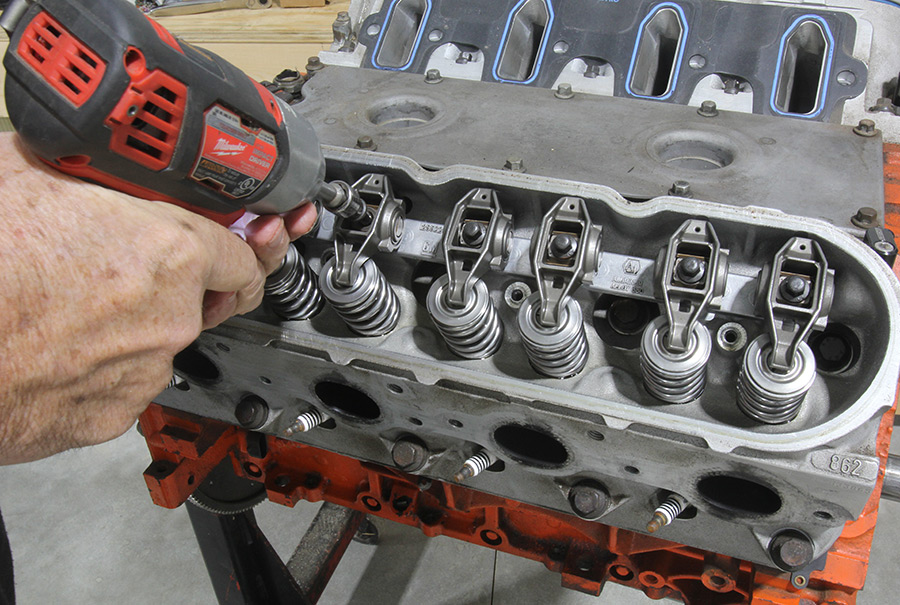
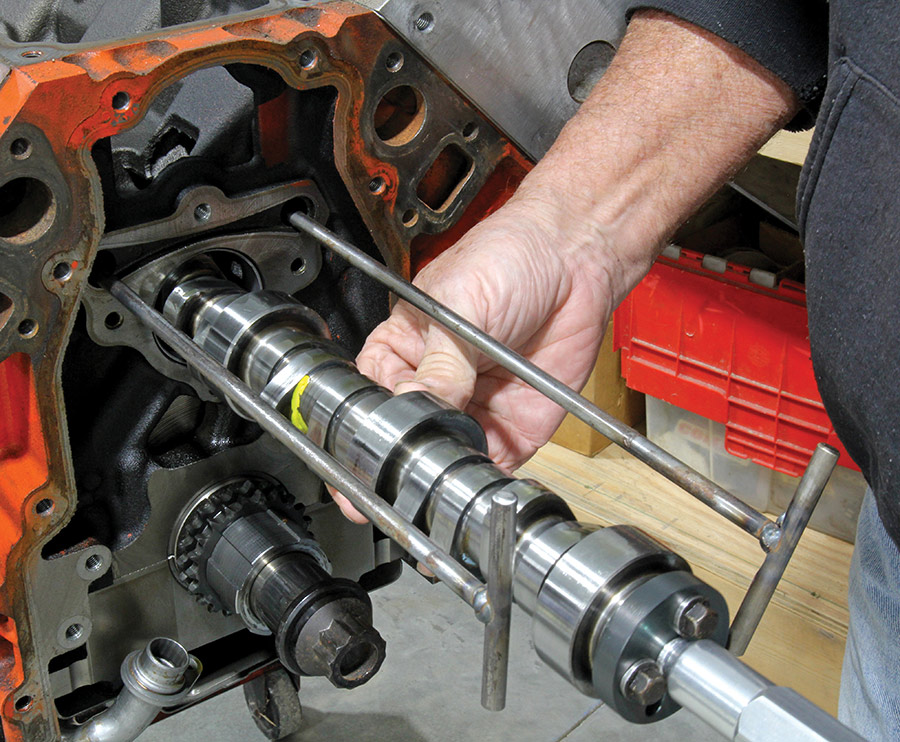
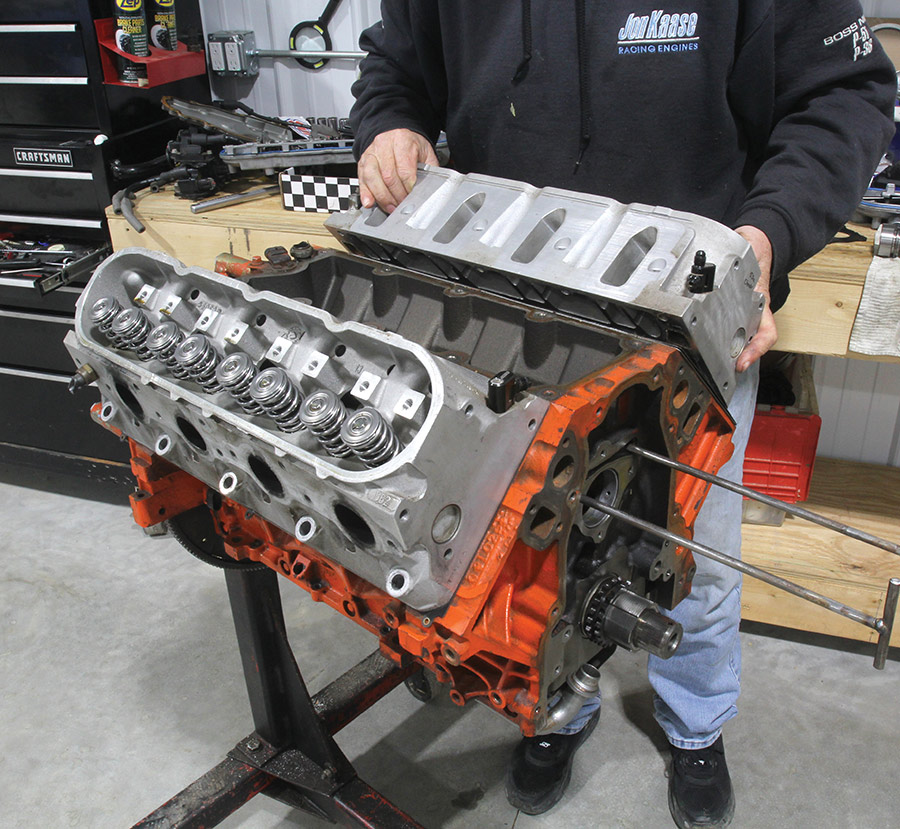
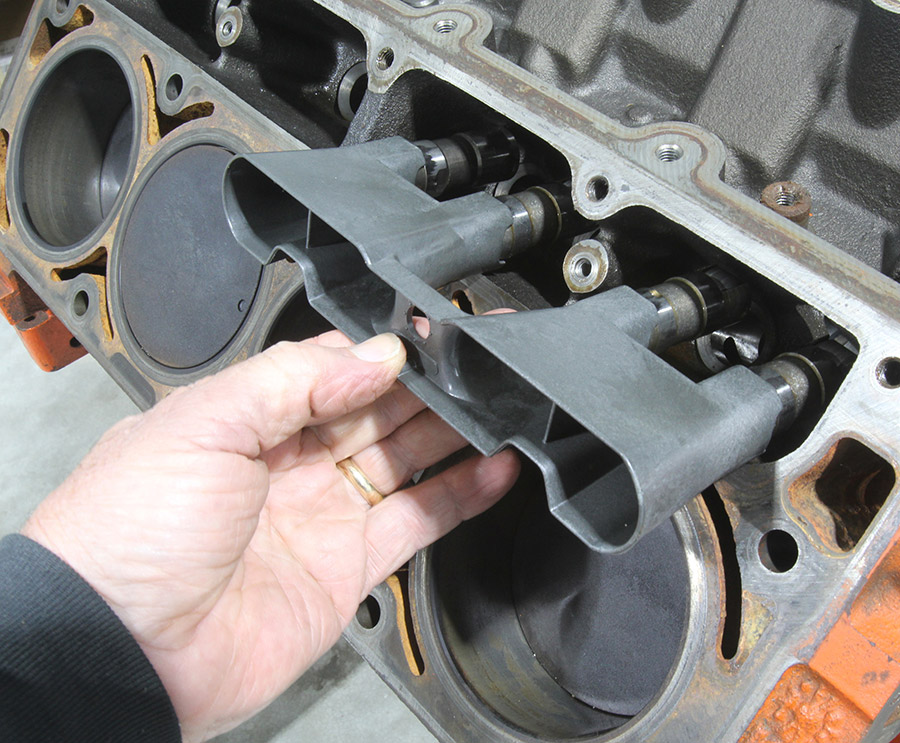
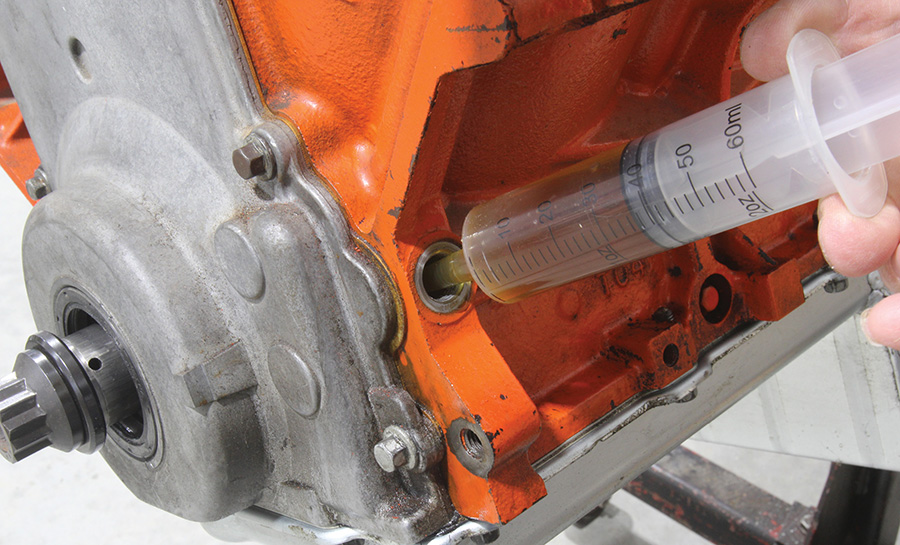
The good news about the specialty tools is that if engine wrenching will be a major part of your future, these items will make your life easier for years to come. A good three-jaw puller like the Posi-Lock version we use is useful for many other related automotive tasks. Sometimes we make our own tools to save both time and money. As an example, we used a pair of 5/16-inch steel dowel rods roughly 24 inches in length to act as lifter retainers for when you want to swap cams on an older LS engine. All LS engines come with plastic lifter holders that will capture the lifters in the “up” position if you spin the engine over several times with the rockers and pushrods removed.
However, experience has shown that on older LS engines these holders become brittle and may lose their grip on the lifters. A 5/16-inch dowel rod placed through each oil gallery will lock the lifters in place. You can buy a pair of these aluminum dowels from Summit; we welded handles onto two 24-inch steel dowel rods.
The 4.8L engine we’re using for these photos has already had a cam change along with some upgraded parts, like an aftermarket timing set, pushrods, oil pan, and oil pump. But we’re going to assume that the engine you will be working on will be saddled with high-mileage components, including the oil pump, pushrods, and rocker arms so we’re going to include new parts recommendations to perform a more professional conversion.
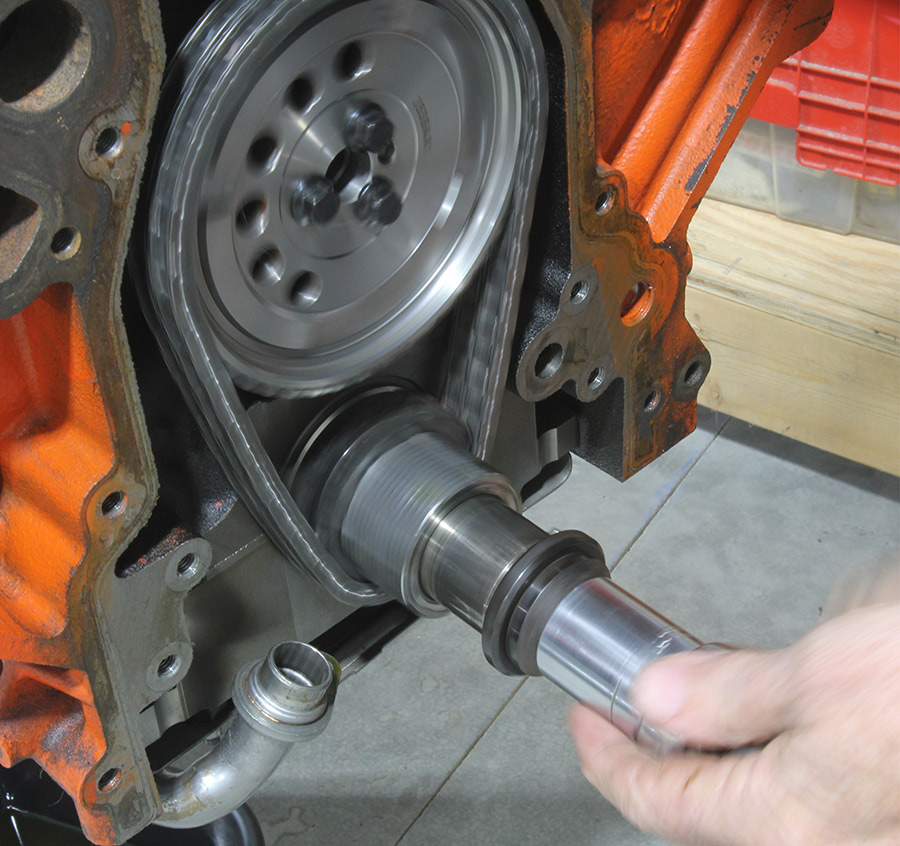
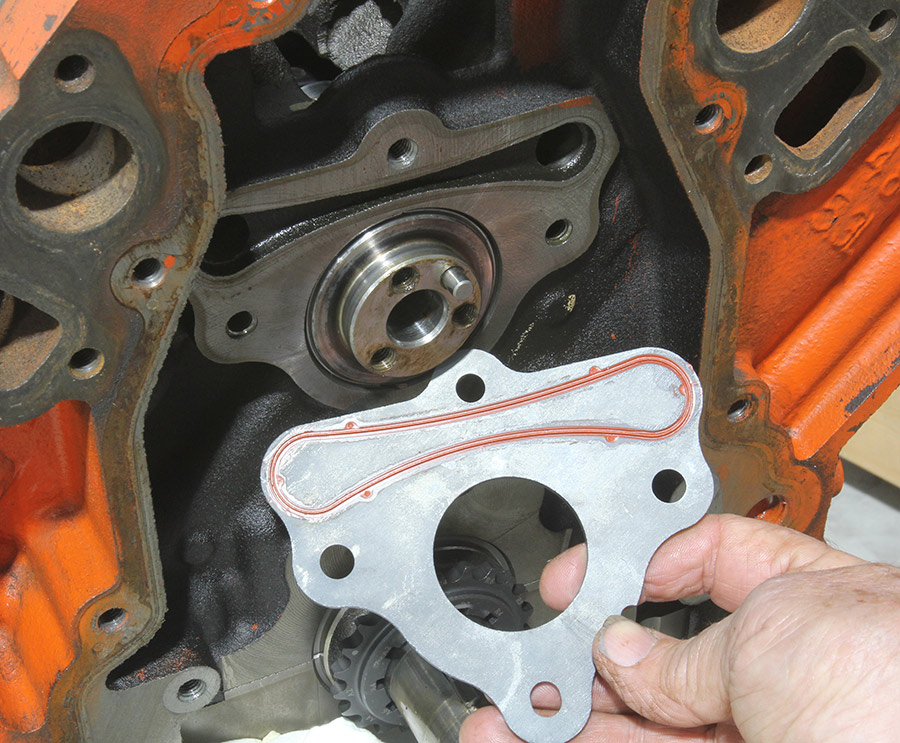
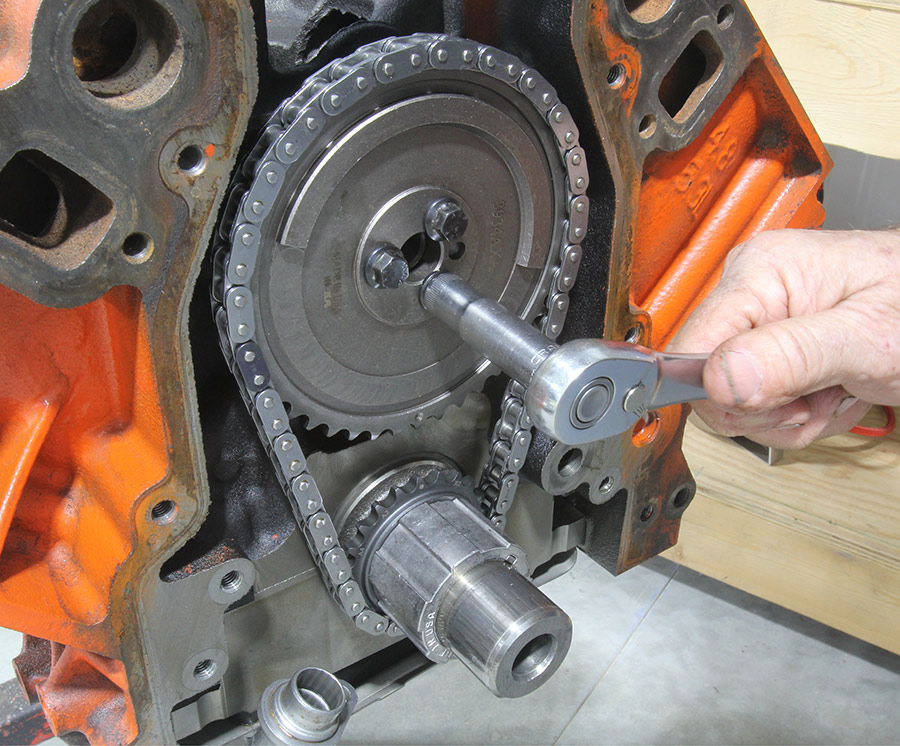
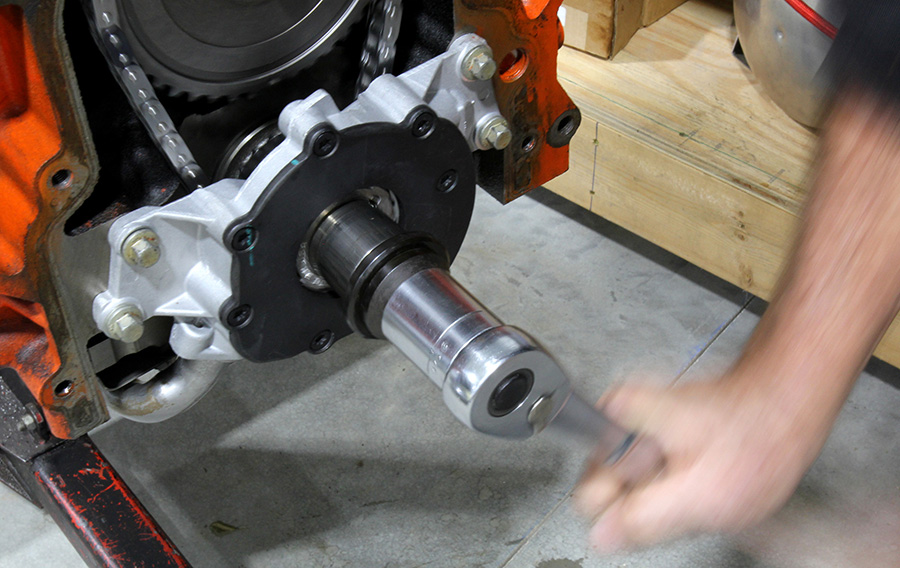
In this story, we show removing the oil pump because we will be replacing the timing set. However, if you are reusing the timing set, it’s possible to change the cam without removing the oil pump. This can save time when doing a cam swap as long as the timing set is suitable for reuse.
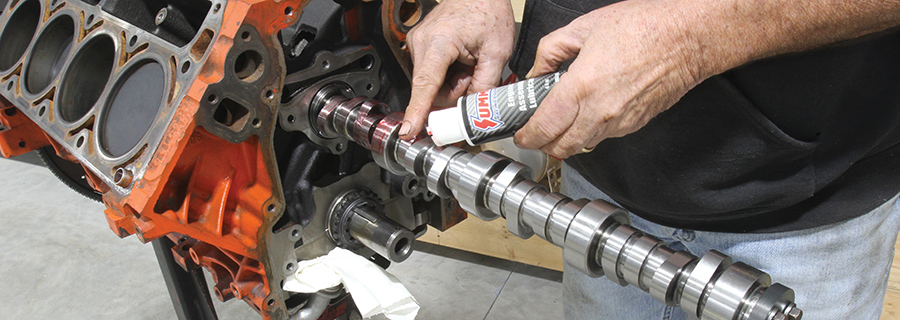
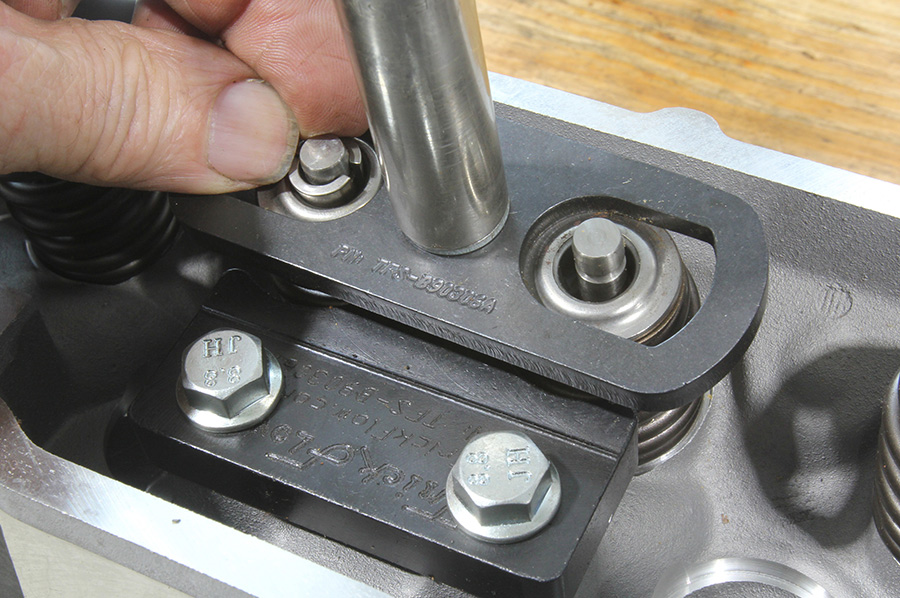
We went to SummitRacing.com and picked out a streetable cam for our 4.8L along with other parts for a typical used LS engine. The intake duration on the Pro LS Truck cam we chose is short at only 218 degrees at 0.050-inch tappet lift but still offers 0.600-inch valve lift. We also added a rocker arm trunion upgrade because we don’t want those used rockers to fall apart working with the bigger cam and more spring pressure. If those tiny roller bearings were to somehow escape from a stock rocker, that would cause a serious problem.
If you only intend to install the heads on your engine once or twice, the one-time use, OE-style bolts will save some money. But if there are multiple changes in the works for your engine in the future, then a set of ARP head bolts is worth the investment as you can reuse them as often as necessary.
A cam swap in an LS engine is not a challenging process as long as you have the right tools and approach the exchange in a logical manner. The net result is not only a stronger engine with more power but will also offer a sense of accomplishment when that engine fires up for the first time with that new cam. It’s instant gratification.