

 TECH
TECH

 Images by The Author
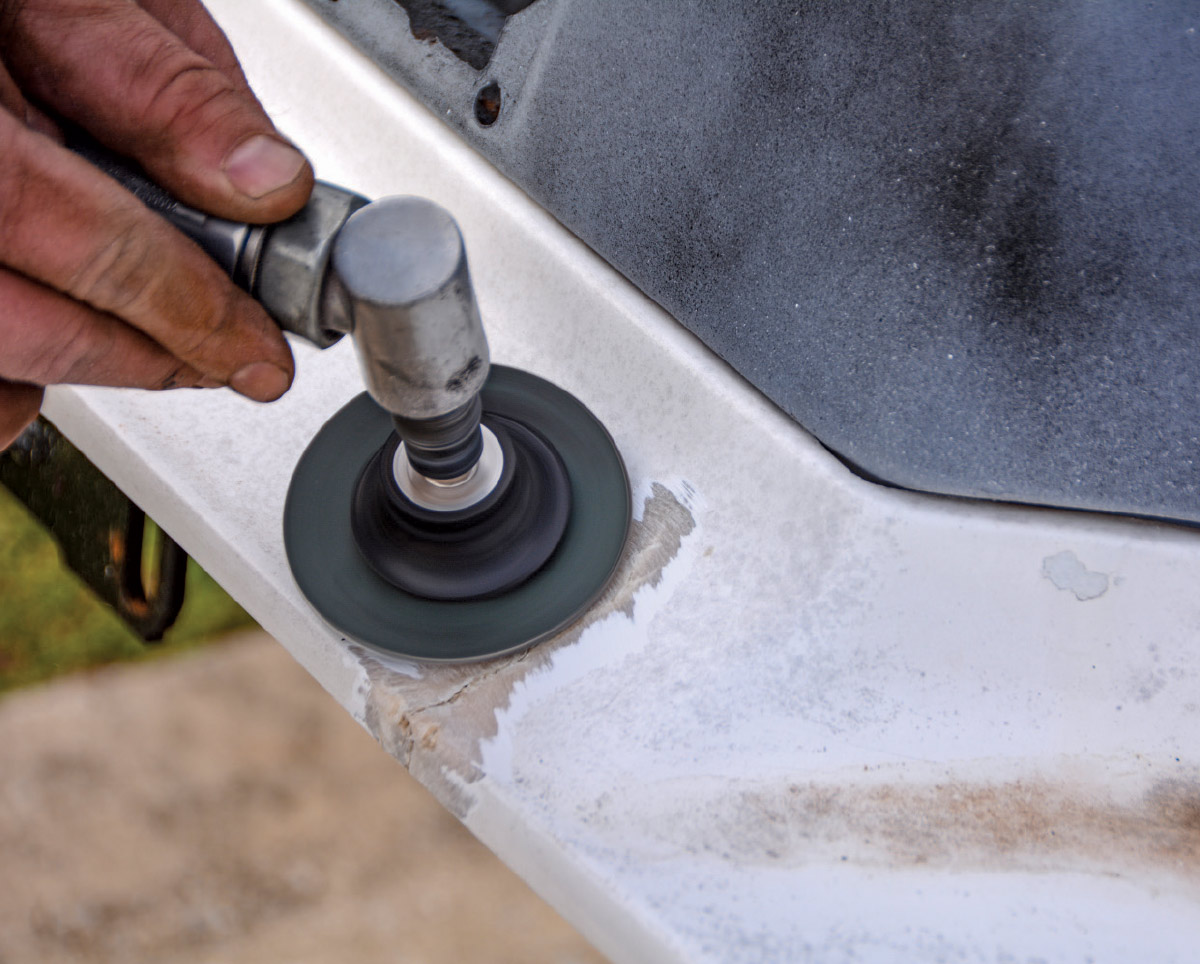
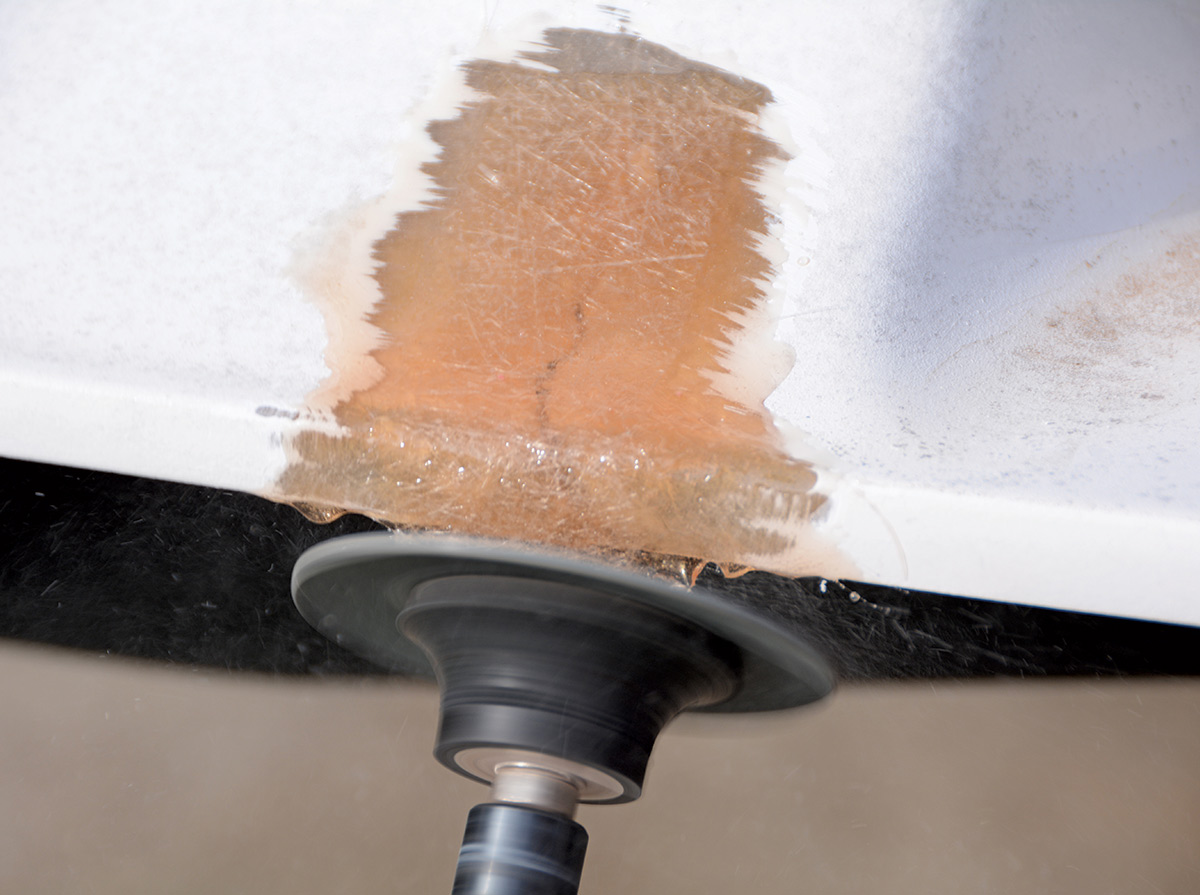
ccidents happen, and we all know that fiberglass body panels can be quite fragile. While fiberglass doesn’t stretch and create dents like metal, it often cracks when too much force is applied. Such is the case with our example, a 1977 Nova with fiberglass replacement bumper filler panels. One of the panels suffered some damage, and the result was a 4-inch crack in the surface. While we could have contacted Classic Industries for a replacement part, we figured it would be a good opportunity to show you how easy it is to do fiberglass repairs at home.
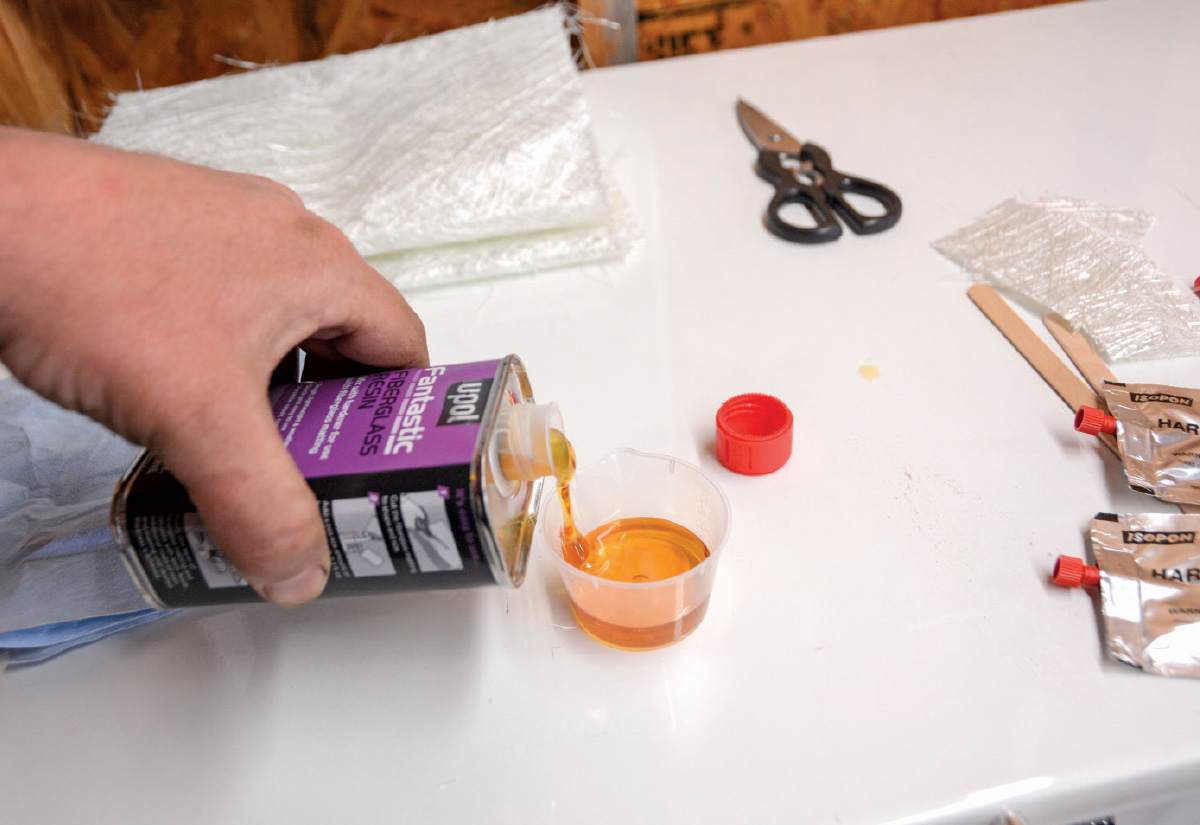
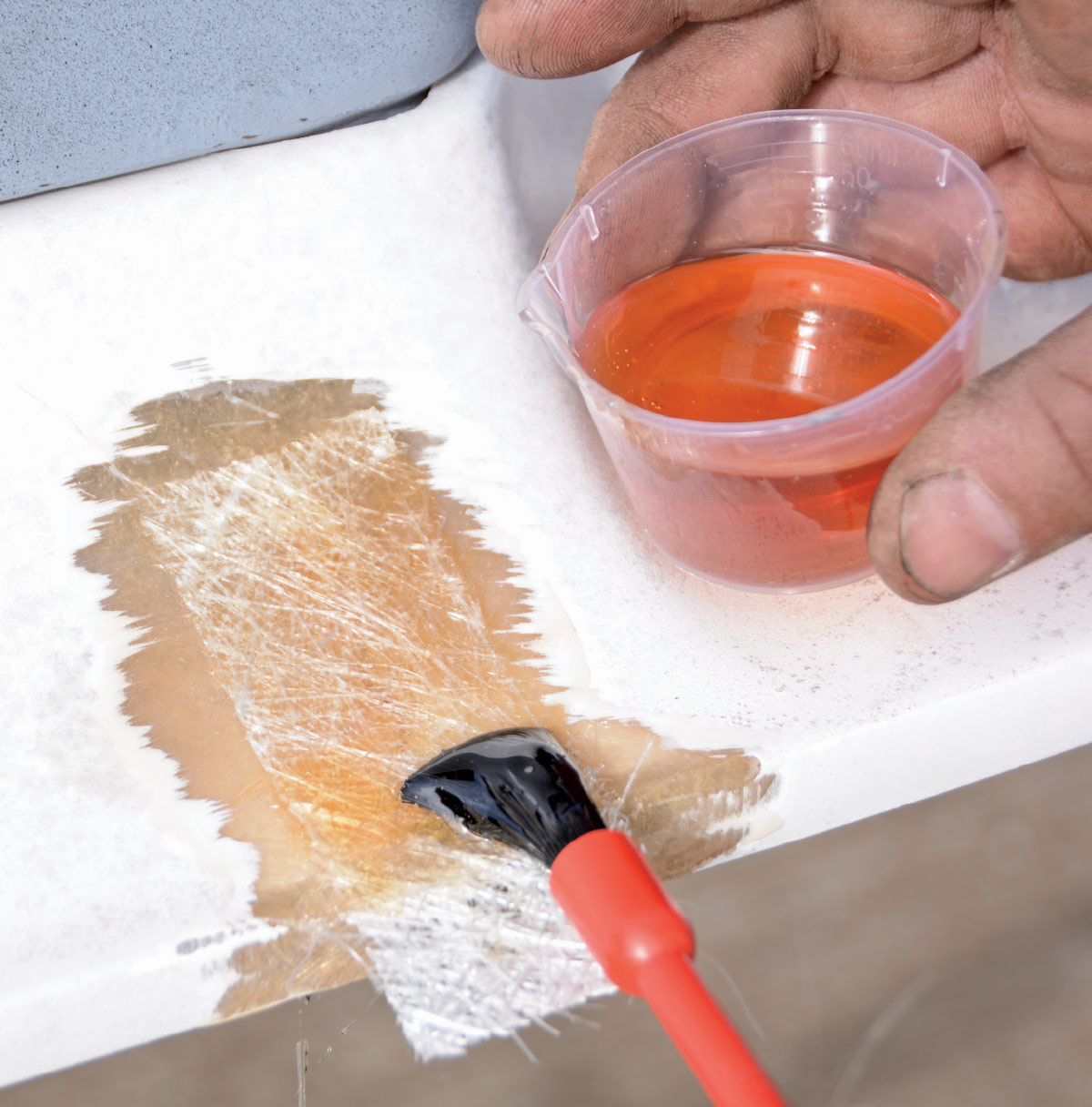
We stopped at the local parts store and grabbed a U-Pol fiberglass repair kit, which comes with everything necessary to repair a crack. In fact, there is enough material in the kit to handle a few of these small jobs. A large quantity of loose weave fiberglass mat is in the kit, and there is a 250ml container of resin, along with two small packets of hardener. A mixing cup, mixing sticks, and application brush are also supplied. For less than $30, you can’t beat the quality of this kit. Of course, additional expenses are needed for body filler, primer, and paint, but the repair kit certainly gets you a long way in the process.
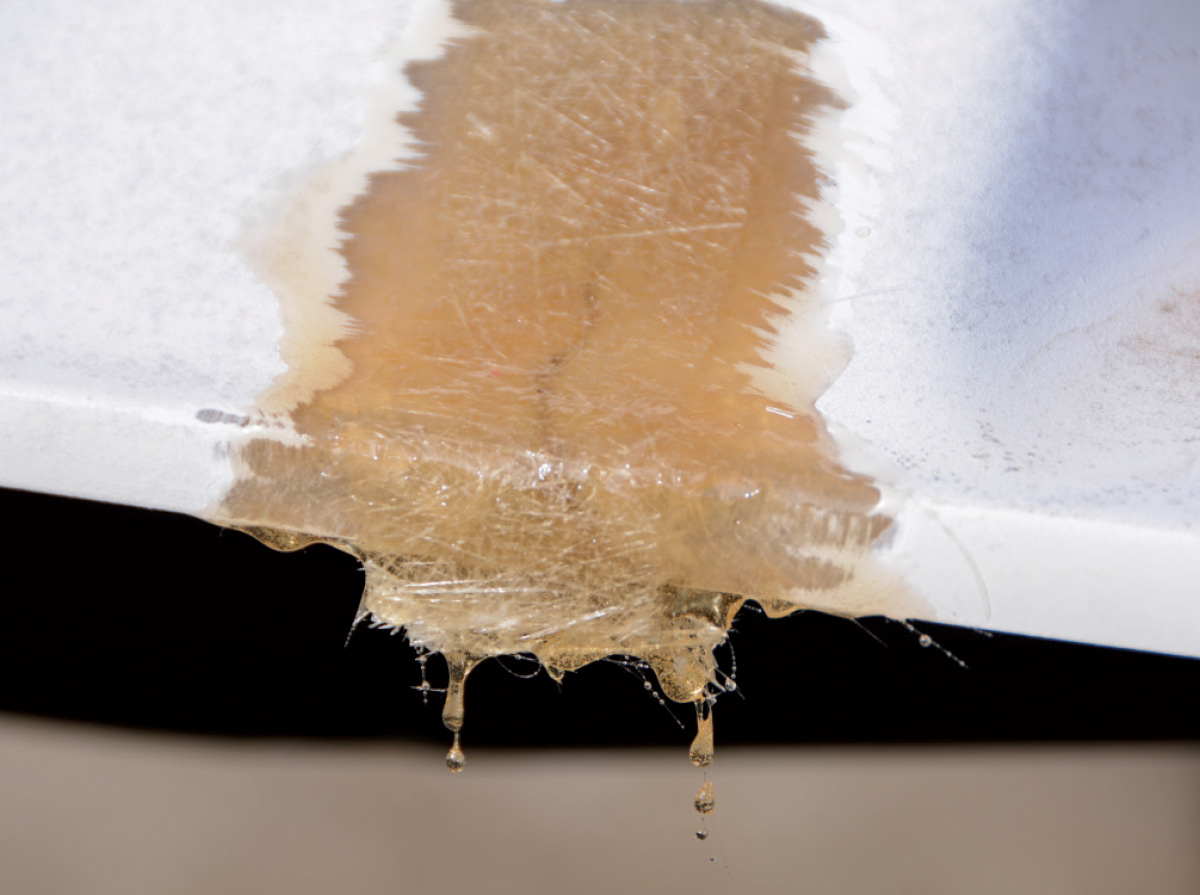
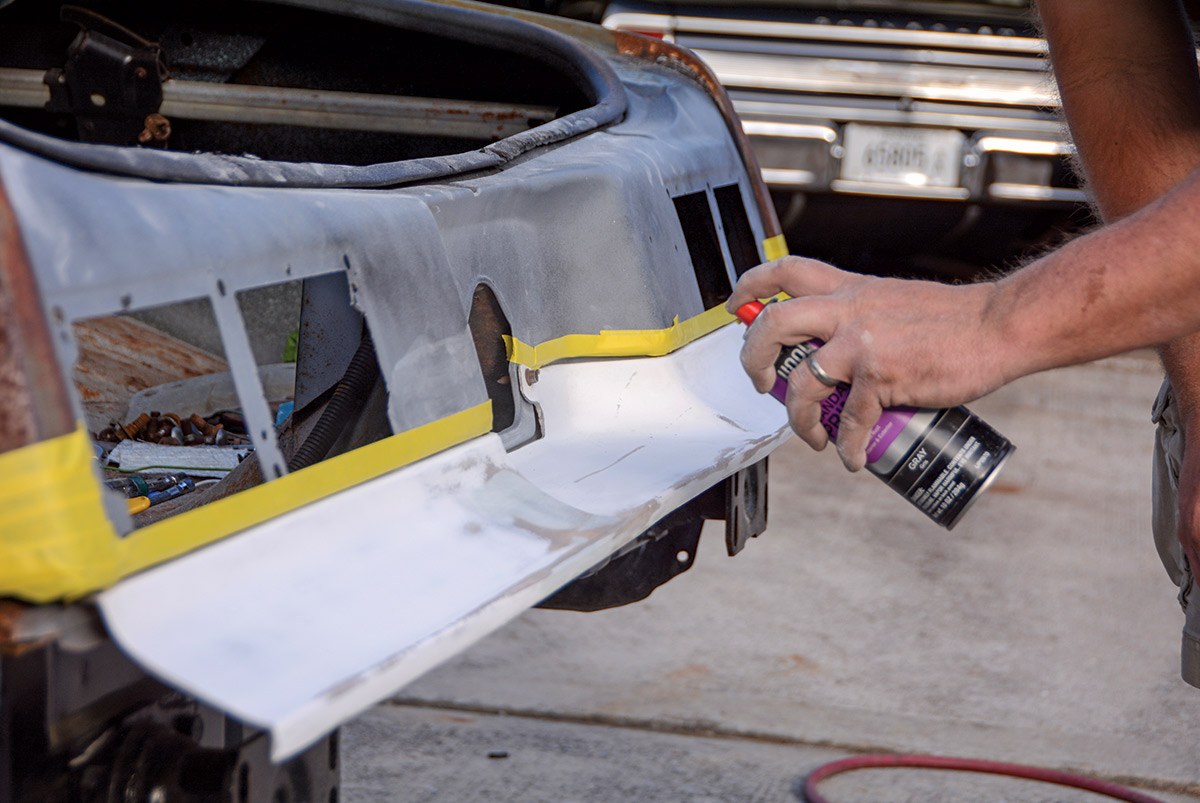
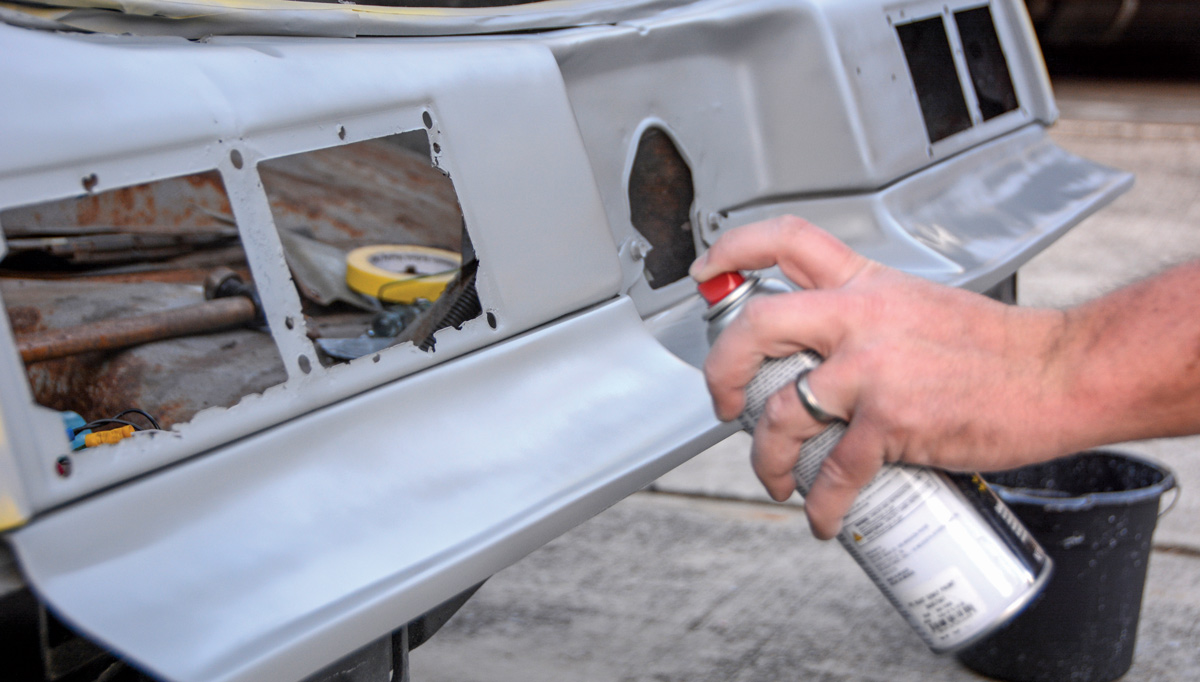
We spent a couple of evenings on the repair and used tools that most car enthusiasts have in the shop. The angle grinder with 36-grit is essential for quick work, and the dual-action (DA) sander also speeds things up because hand-sanding fiberglass can be arduous and quite itchy. Speaking of itchy, you should wear gloves, eye protection, and a respirator when sanding, grinding, or applying fiberglass (do as we say, not as we do). Follow along with our how-to guide and make easy work out of fiberglass repairs on your project.









 SOURCE