
 TECH
TECHInTheGarageMedia.com
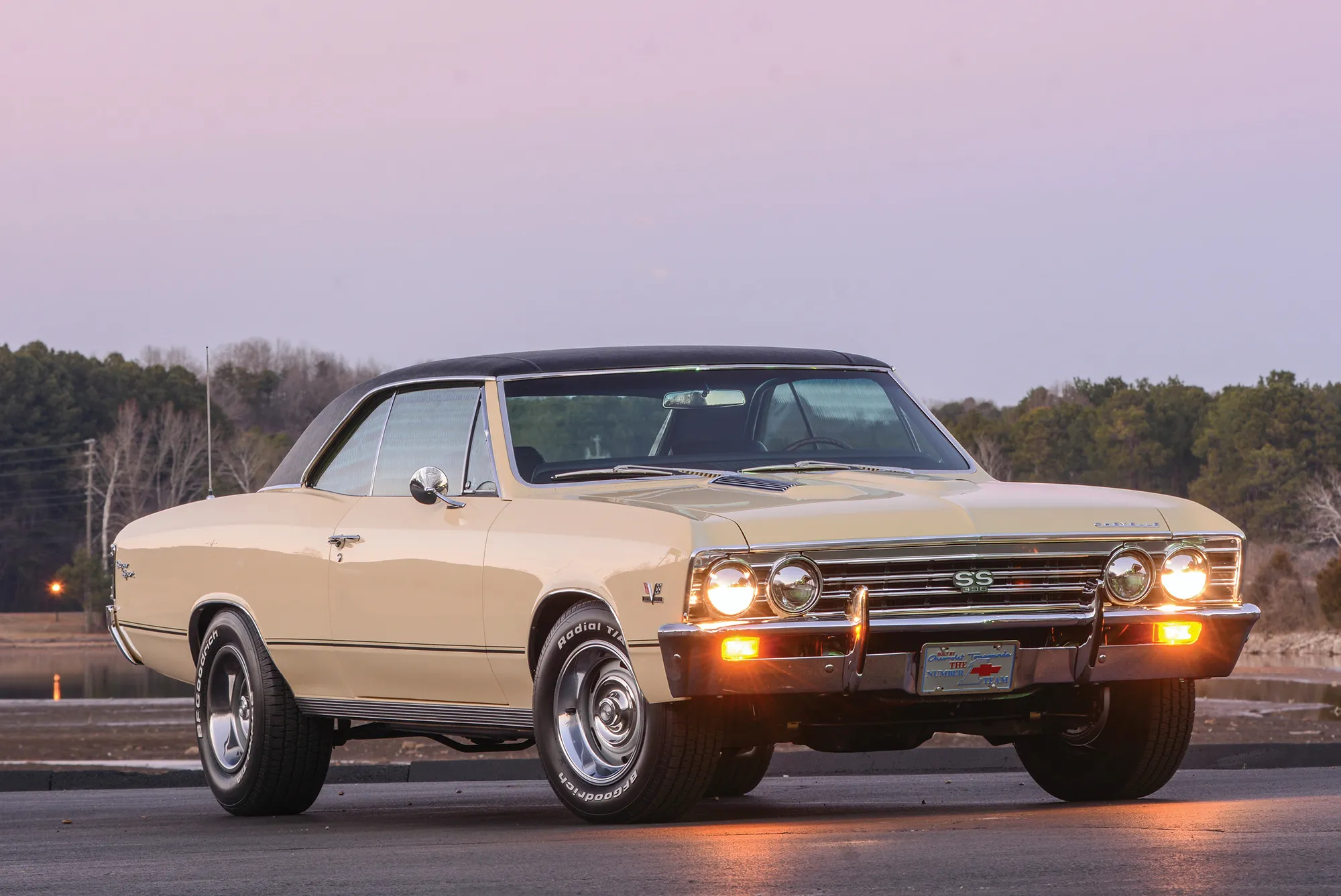
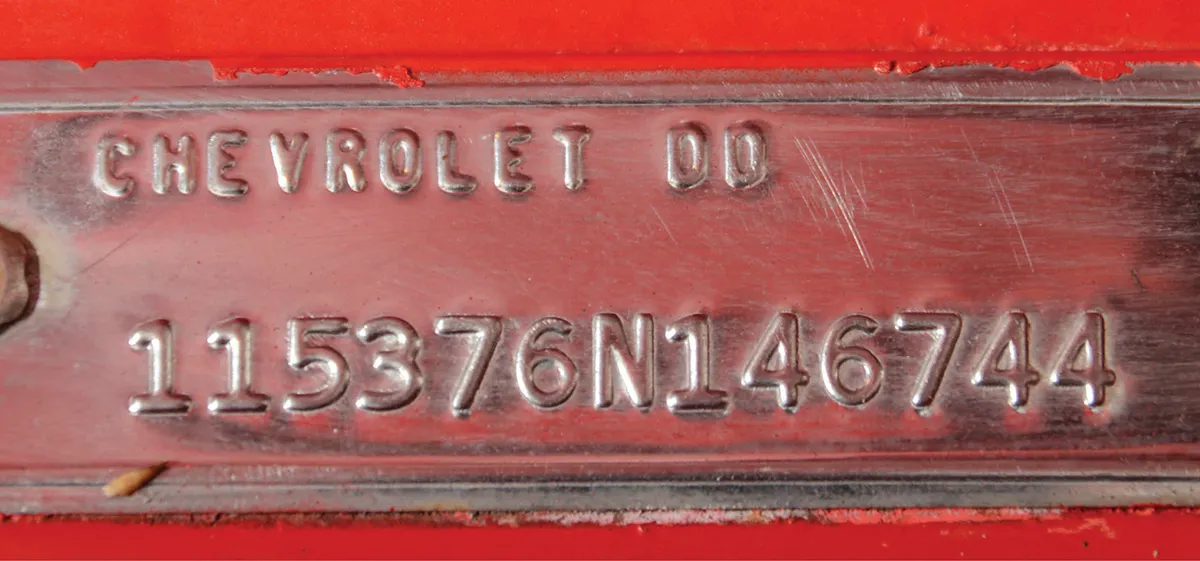
1. Is it the real deal or an imposter? The numbers tell the story on your classic Chevy.

 Photography by THE AUTHOR
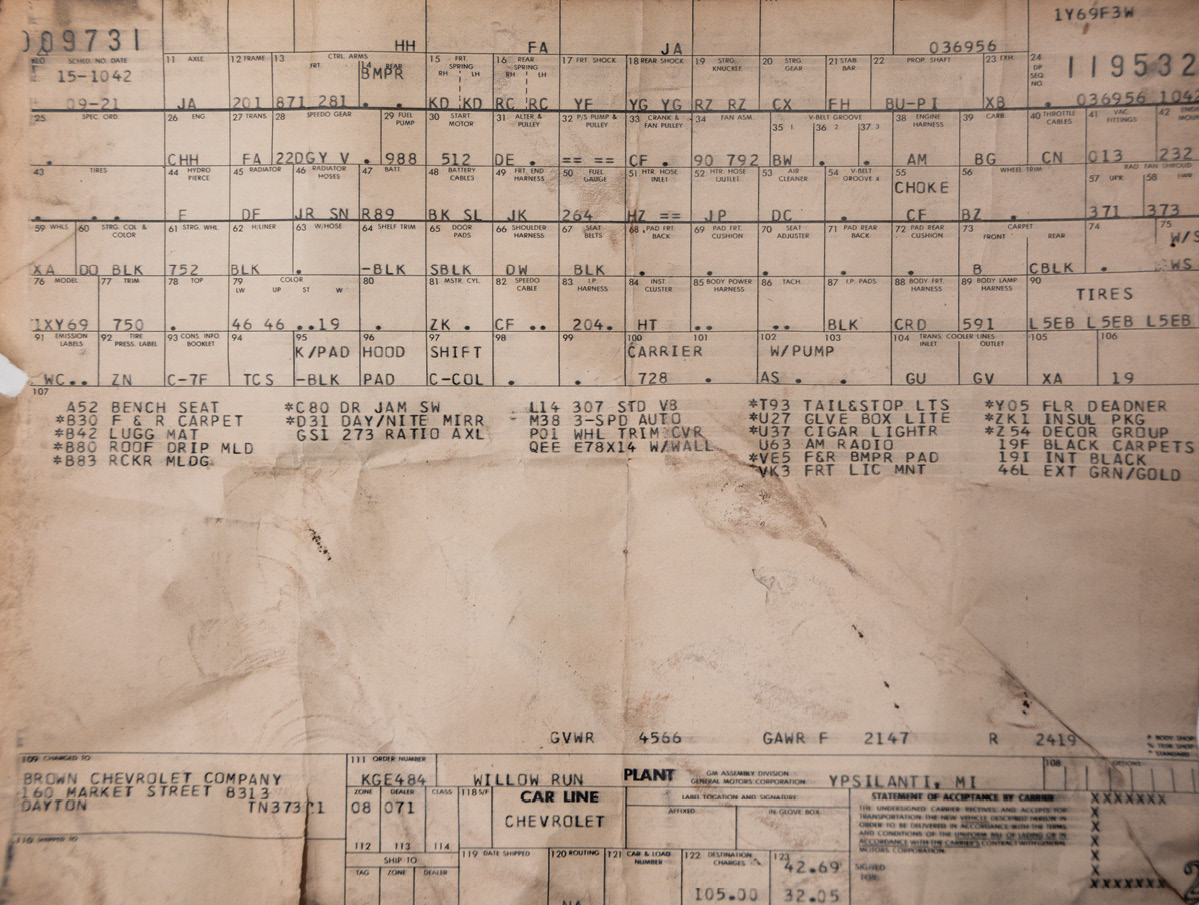
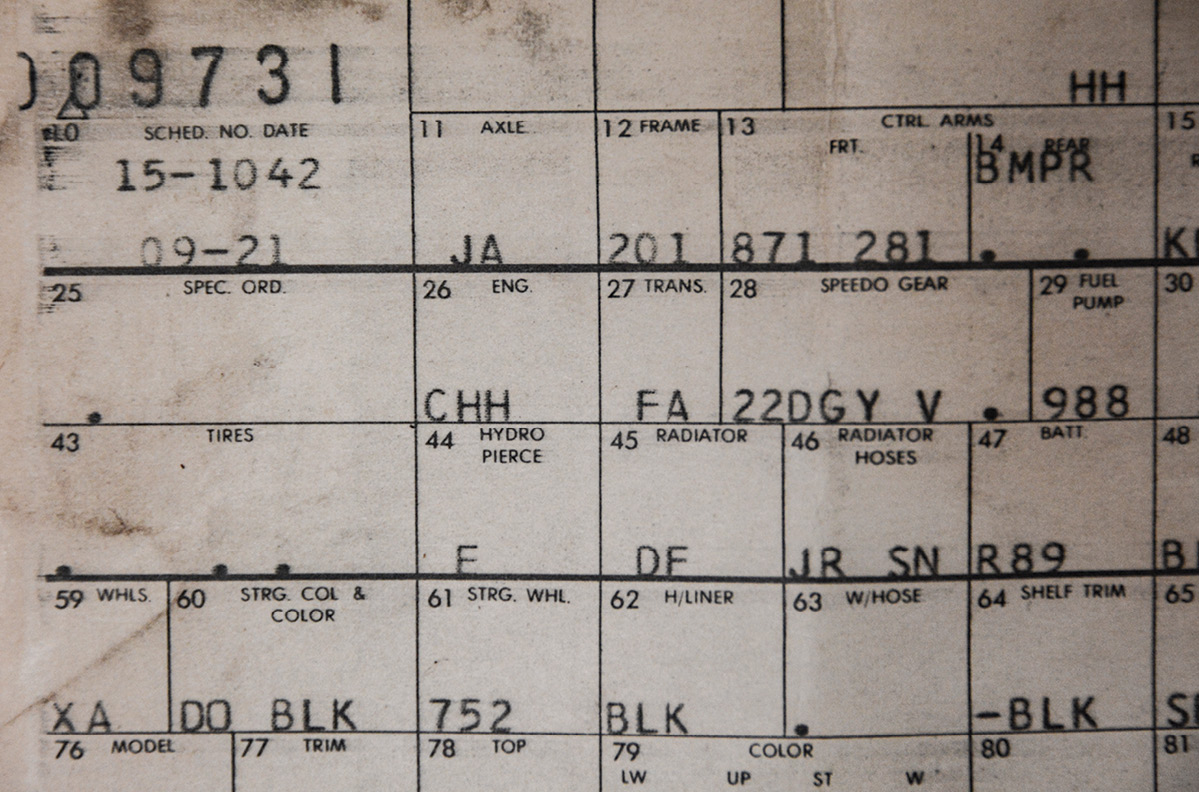
hen it comes to finding out your car’s factory options and features, the best place to start is the vehicle identification number (VIN) plate and the trim tag. In most cases, these two stampings will not provide every piece of information you want, but it’s easily accessible and can sometimes reveal some cool details. If you want the car’s full history, other documentation like a build sheet and Protect-O-Plate are needed, but those items are often long gone on an average Chevy from the muscle car era. Finding a build sheet hidden in the interior or on top of the gas tank is like finding buried treasure. We’ll cover some details of the build sheet, but the main purpose of this article is to explain some of the nuances of the VIN and trim tag through the years.
To simplify things, we’re narrowing the focus of this article from 1960 through 1980 because there are many variations of VIN and trim tag configurations and other documentation differences. Even in that 20-year span, there are dozens of variations, sometimes within the same year of production. Variations could depend on the factory, build date, or the combination of the two factors, especially in the case of trim tags.
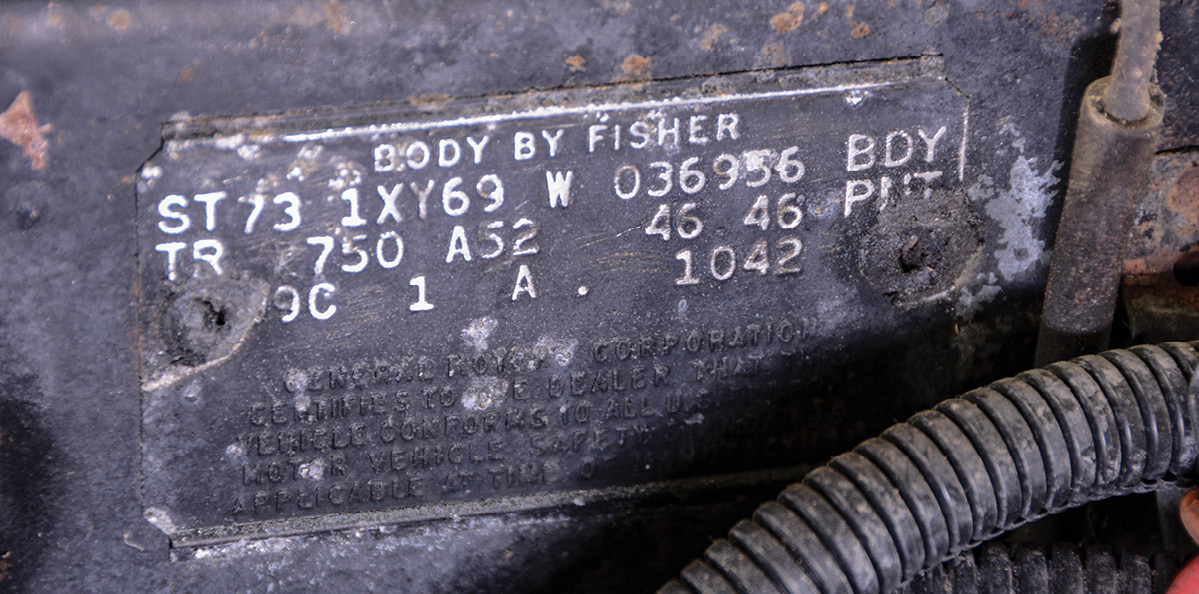
We’re using a few real-world examples of cars: a ’63 Impala SS convertible, a ’64 Chevelle Malibu, a ’66 Nova, a ’69 Camaro, and a ’73 Nova. This information can help you make quick observations when looking at a car to buy, or if you’re simply curious about a car’s original configuration. There aren’t enough pages in this magazine to cover every option code or configuration, but we’ll do our best to simplify the process and give you some of the highlights from popular Chevrolet applications from the ’60s and ’70s.
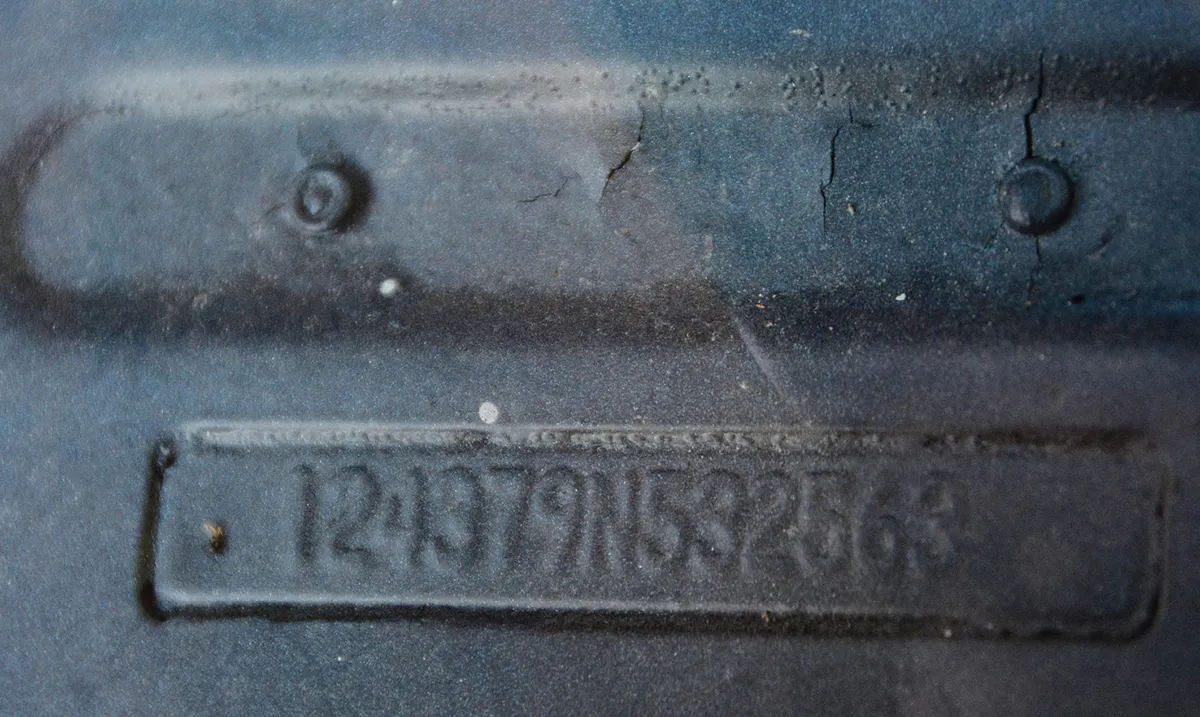
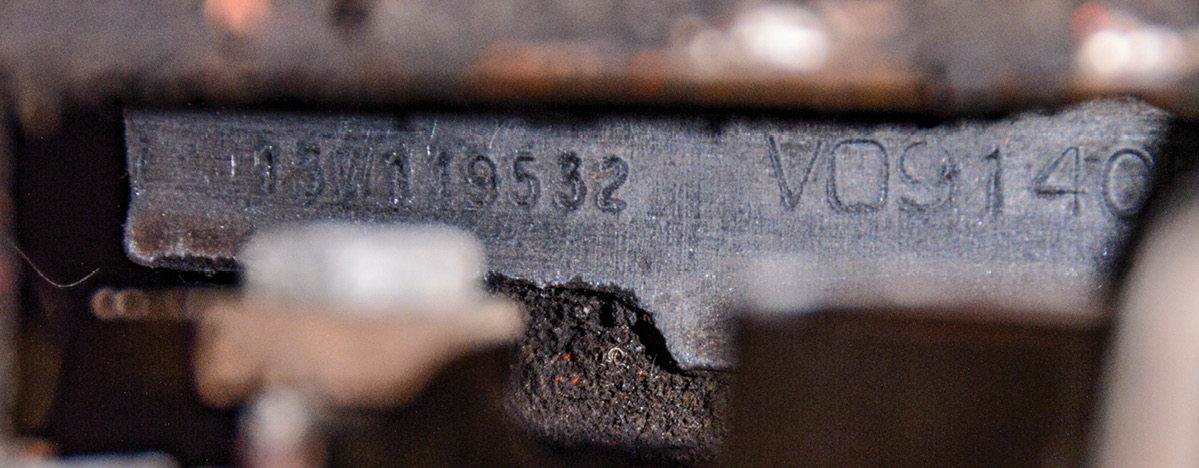
In 1972, Chevrolet introduced a new VIN layout, and now the fifth digit would feature a letter code for the exact engine in the car. This letter code would’ve come in handy during the height of the muscle car era, but alas, it arrived a little too late. In 1972 we saw the end of several engine combinations, but 1973 through 1980 codes stayed the same. Some examples of engine codes are as follows: F = 307 ci with two-barrel carburetor, H = 350 ci with two-barrel carburetor, T = 350 ci with four-barrel carburetor (Camaro Z28), W = LS5 454ci big-block (1972 only).
Other information in the VIN are body series and body styles. This group of numbers were most important during the mid ’60s, as Chevrolet separated Super Sport cars into a separate series. This allows you to quickly determine a regular production model from a Super Sport by checking the second and third digit of the VIN. A popular example includes 1965-67 Nova Super Sport, which had 117 or 118 as the first three numbers of the VIN, compared to other models like 111, 113, 114, 115, or 116. Remember, the third digit is also the engine code during this time frame, so that tells you the 117 Super Sport Nova was a six-cylinder and the 118 was a V-8. By far, the most well-known Super Sport indicator is the Chevelle, which has a prefix of 138, or in rare cases 137 (’65 Malibu SS with a six-cylinder engine). The 138 numbering is the quickest way to determine whether a Chevelle is a true Super Sport from 1965-68. From 1969 onward there was no Super Sport designation in the VIN or trim tag. Chevrolet Impala had Super Sport confirmation on the VIN from 1965-66, with the VIN prefixes: 165, 166, 167, and 168.
There is a sweet spot with trim tags from 1960-67; a time when Fisher Body assembly plants used accessory codes. In most cases, the accessory codes were associated with the body and interior but sometimes included information about special option packages or drivetrain options. These codes were placed in numbered groups and did not match Chevrolet’s Regular Production Option (RPO) codes, so it can be a bit confusing. Luckily, there are resources online to help decipher these accessory codes.
Group 1 of accessory codes is mostly related to the windows but also has information about convertible top and seat options. Group 1 does not have the number 1 present in the code, so it will only present as a letter(s). Groups 2 through 5 have the number present, followed by the letter code(s), example 2L. The numbers do not represent a code, but it does break up the accessory codes into different sections, allowing the same letter to be used in different groups.
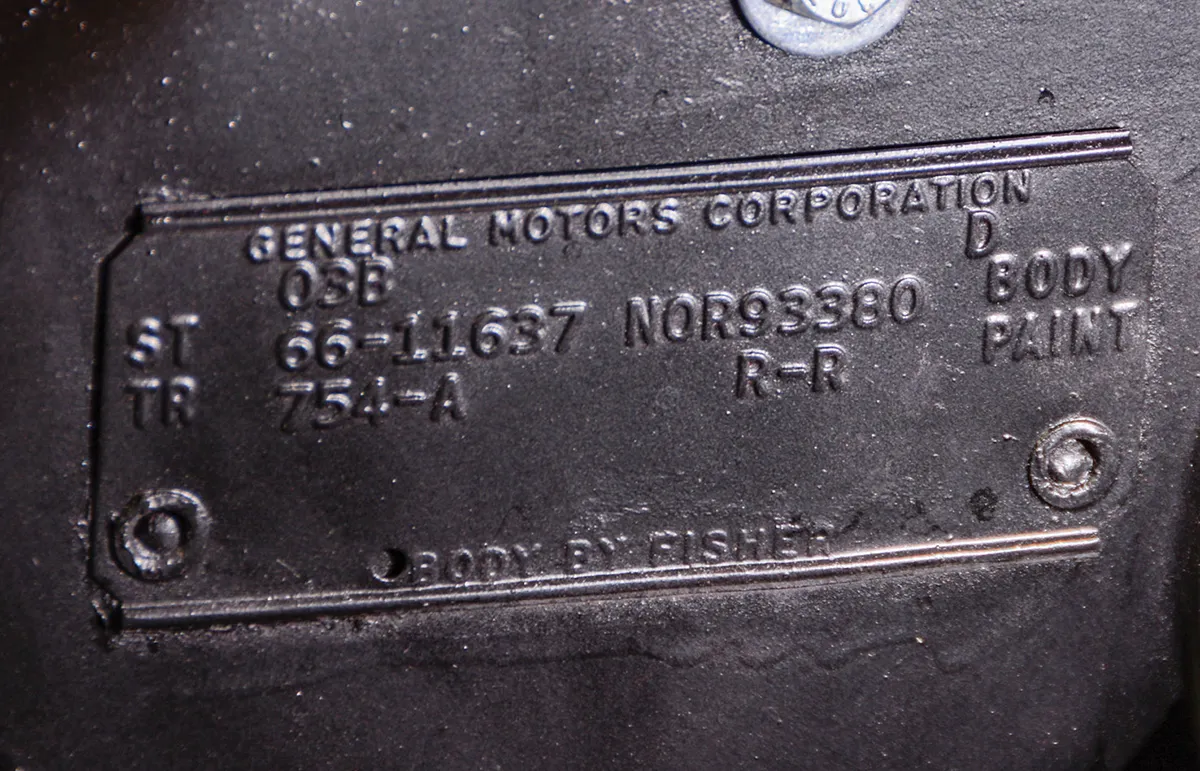
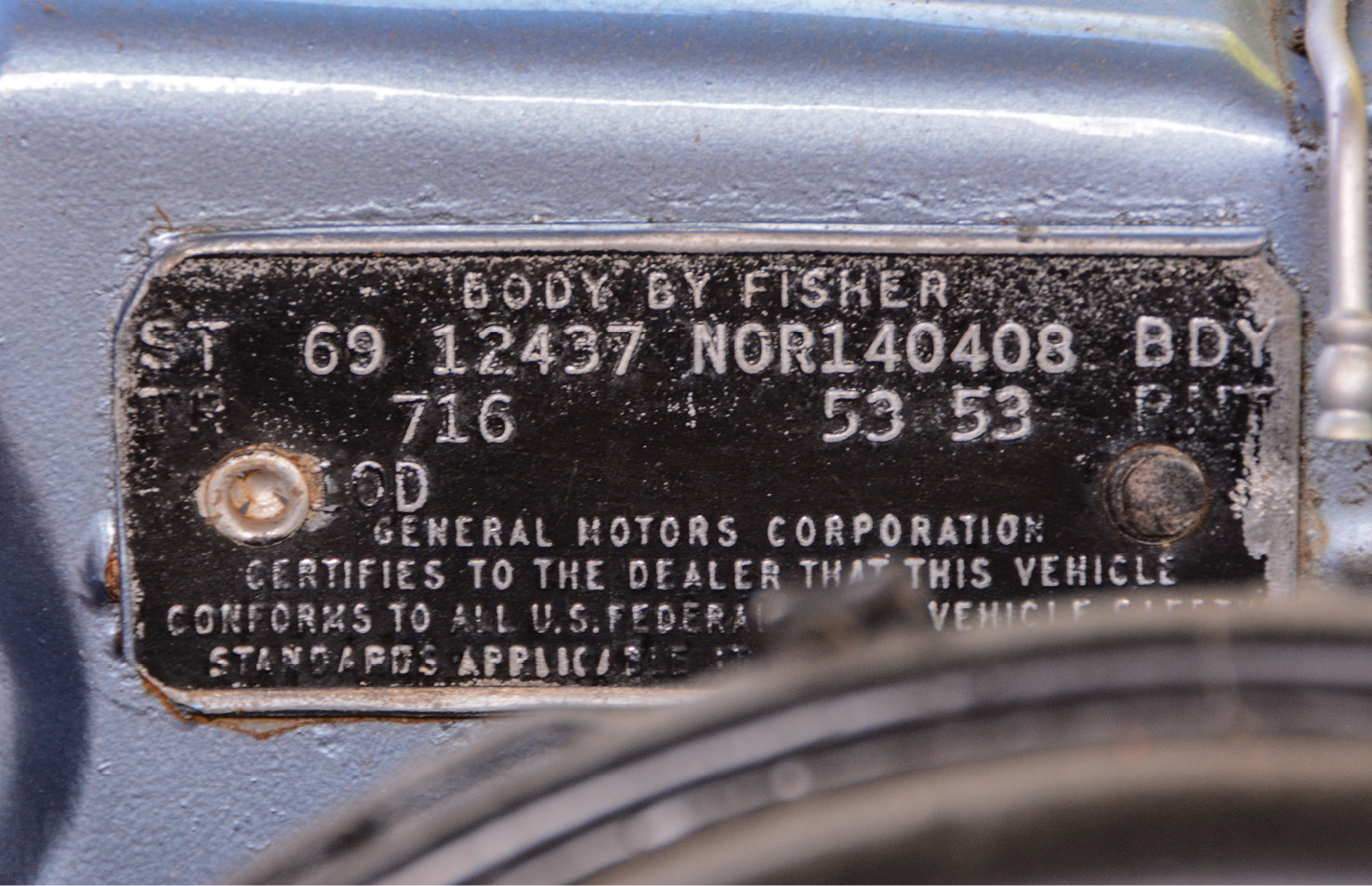
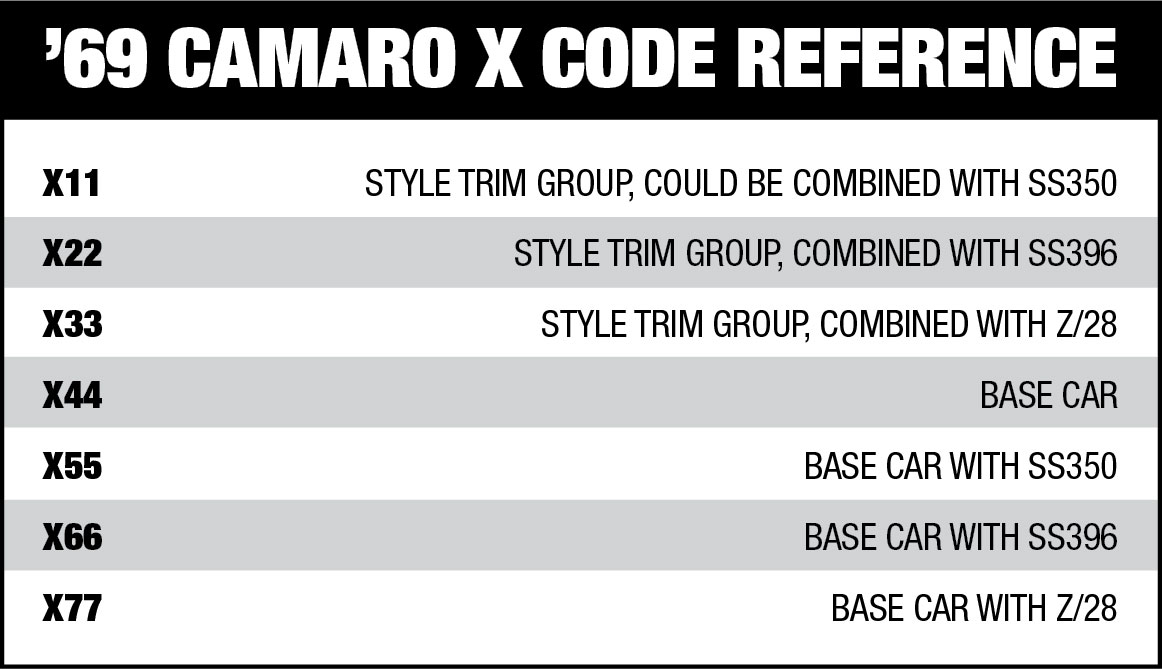
Trim tags varied based on the factory, so it’s important to note that when trying to decode a car. A great example is the ’69 Camaro with its famous X codes, which were only used on cars built in the Norwood, Ohio, plant, starting in December of 1968. Early production cars for the 1969 model year did not have the codes and none of the ’69 Camaros built in Van Nuys, California, have the codes. This leaves a void in ’68 and early ’69 Camaros when it comes to verifying certain options. The ’67 models were easy because of the Fisher accessory codes but 1968 and 1969 are very hard to document without a Protect-O-Plate or factory broadcast sheet (commonly referred to as a build sheet).
Chevrolet’s RPO codes and Fisher Body’s accessory codes have no correlation in how they present. Fisher had its system and Chevrolet had its system, but they were separate for the most part. The two codes systems didn’t cross over until the early ’70s. Even then, the only RPO code on the trim tag was the seat code (bench or bucket seat). Ultimately, RPO codes only matter if you have a build sheet or window sticker that matches your car’s VIN, but it’s fun to see the different options that were available during that time frame.
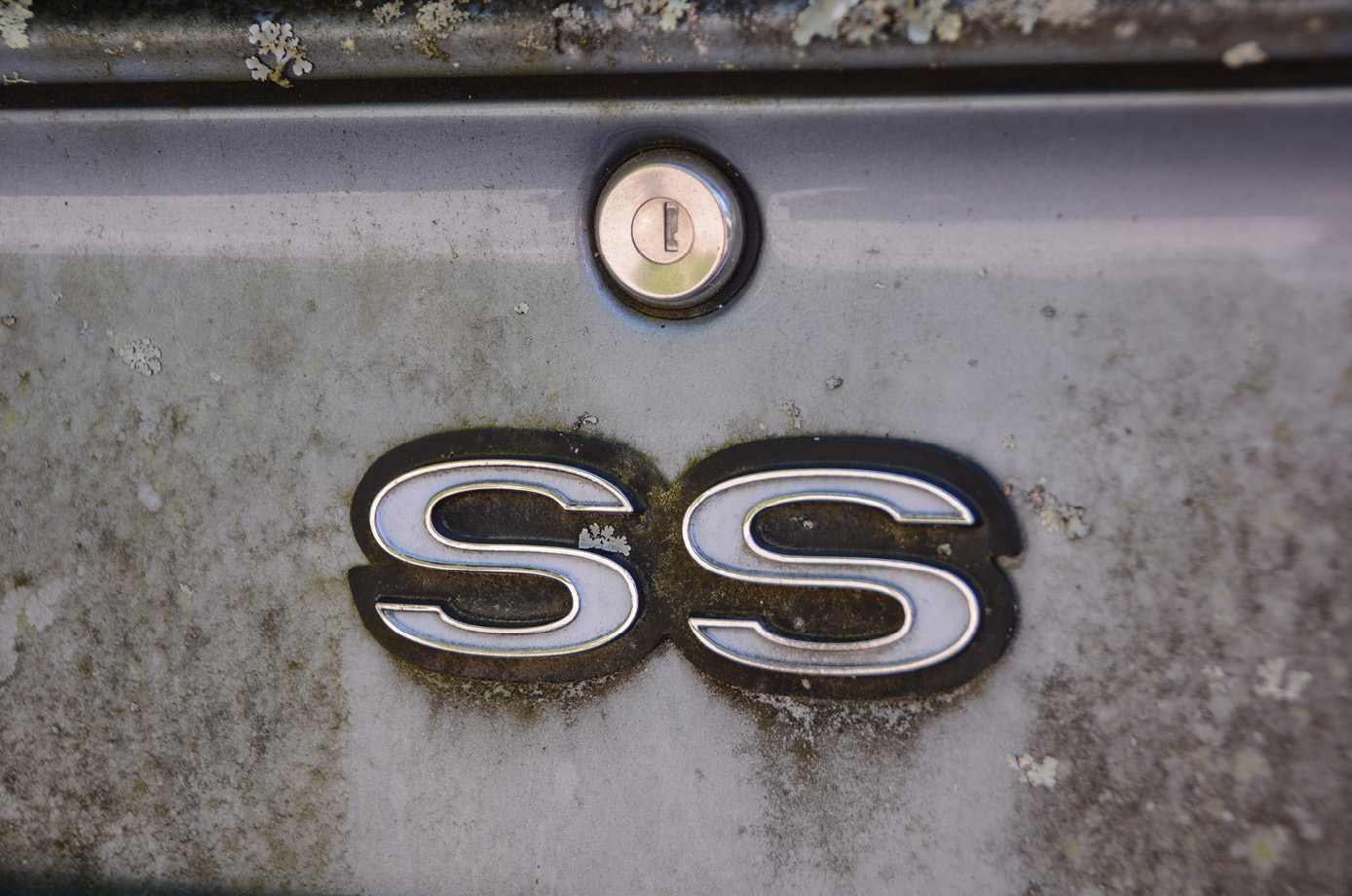
2. If you’re shopping for a restored car, or happened to find one in a back yard, it helps to know if those Super Sport badges are legit or someone’s attempt to dress up a base model car.

3. On this VIN, the “3” designates the model year: 1963. The “18” designates an Impala with V-8 engine, while the “67” makes this a two-door convertible body style. The “A” means this ’63 Impala was built in Atlanta, Georgia. The additional six numbers are the serial number.
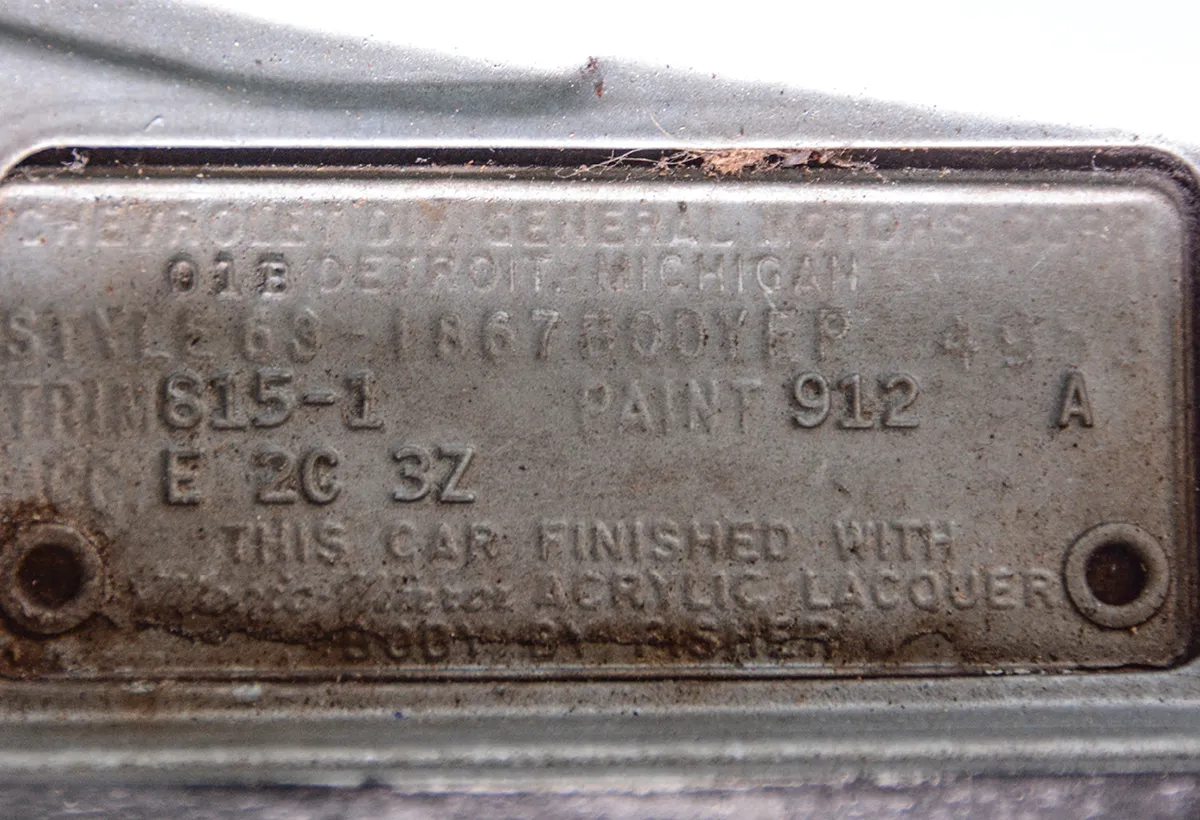
4. If we look at the trim tag on the same ’63 Impala, we see the top line is stamped “01B,” which means it was built the second week of January. The second line is stamped 63-1867, calling out the year, body series, and body style. Other important notes are the 815 interior code for black vinyl, a material used in Super Sport convertibles with bucket seats. The accessory codes read “E” for tinted glass, “2C” for padded dash, and the all-important “3Z” for Super Sport. Different years have different callouts for Super Sport.